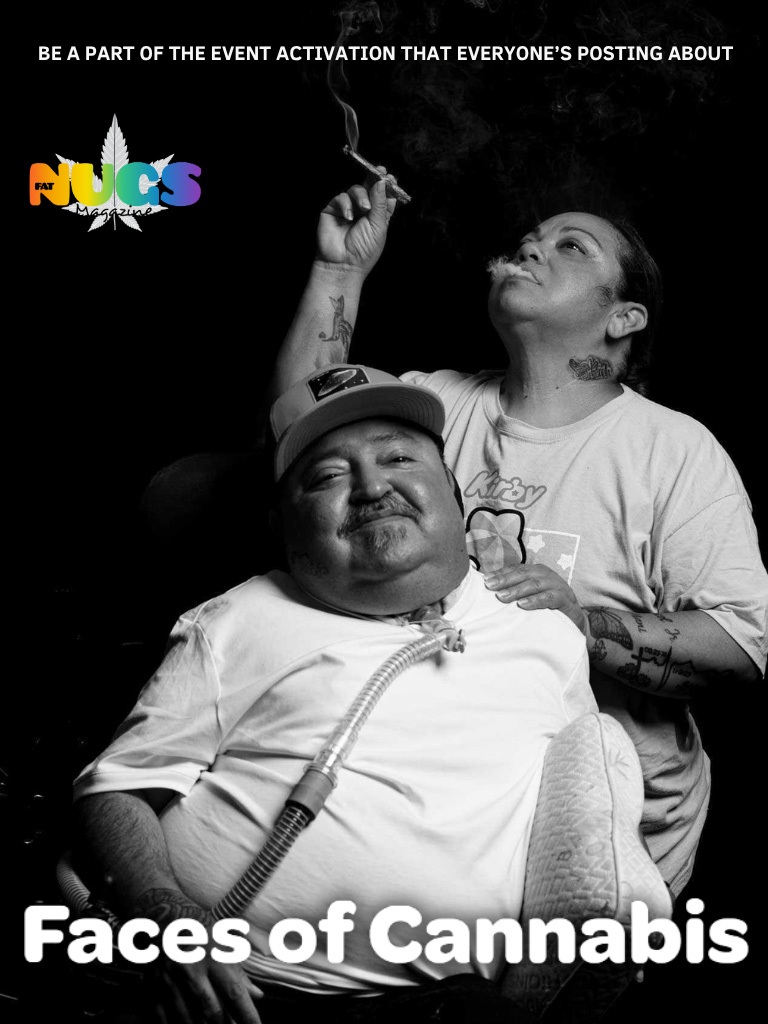
For a Veteran like him, a lapsed medical marijuana recommendation means losing legal access to what finally worked.
Schedule III Changed The Label
On April 23, the Justice Department
moved state-licensed medical marijuana to Schedule III, and Florida’s medical cannabis program falls under that order. Moving cannabis out of Schedule I, the federal category for drugs with no currently accepted medical use, is the change I’ve been advocating for.
Schedule III recognizes that cannabis has an accepted medical use under federal law, and that’s a significant step forward. Most importantly, I hope it eases a fear so many Veterans live with: losing their benefits or facing consequences for testing positive for cannabis at the VA.
The medical marijuana order is final and already in effect. The broader proceeding to move all marijuana to Schedule III
was paused on September 29 and remains on hold. Either way, most Veterans haven’t felt a difference yet. VA doctors still can’t recommend cannabis.
Gun rights are another worry. Federal law bars anyone who unlawfully uses a controlled substance from owning a gun, and many Veterans fear a medical card puts them in that group. In June, the Supreme Court
ruled in United States v. Hemani that prosecutors can’t charge someone with a federal gun crime just for owning a firearm while using marijuana regularly. The justices kept the ruling narrow: the law is still on the books, and it can still be used against someone who is addicted or who has a gun while intoxicated. Most Veterans I meet haven’t heard about the ruling or the rescheduling order, so firearm rights still come up right behind cost and benefits.
The $883 Price of Veterans Staying Legal
Here’s what a Florida Veteran pays without help. The first visit has to happen in person, so transportation becomes a barrier before anything else. That visit runs $200 for a doctor’s recommendation that’s good for 210 days, plus $77.75 for the state medical marijuana ID card, which must be renewed every year. Month 7 brings a $150 renewal. Month 12, another $77.75 state fee. Month 14, $150. Month 21, $150. Month 24, the state fee again.
That’s $883.25 over two years just to have access. The medicine costs extra, and that’s the only part a discount typically touches.
The Medical Marijuana Policy Nobody Told Veterans About
VA policy encourages Veterans to talk with their care teams about marijuana, THC, CBD, and other cannabinoids so treatment can be planned safely. It also says Veterans won’t lose or be denied VA health care, disability compensation, or pension benefits for using cannabis or joining a state-legal program.
Most Veterans I talk with have never heard that. They hide their use, afraid of losing benefits or being labeled and left unsupported by the doctors treating them. I wish VA doctors could support a Veteran’s decision to use cannabis as medicine, without judgment.
Beyond Veterans Day Dispensary Discounts: What Good Medical Marijuana Access Looks Like
Dispensaries, brands, and MSOs keep missing the same thing: Veterans need access, and they need it to continue. All the discounts in the world don’t matter if you can’t access the medicine.
Too often the Veterans Day dispensary discount is a way to sell more weed to Veterans while doing little to enable them with continued access. It rewards the Veteran who already cleared every hurdle and skips the one who stalled at month seven.
An MSO that wants to show up for Veterans should sponsor and fund the organizations covering doctor visits and state fees, on day one and at every renewal after it. Fat Nugs has spotlighted
grassroots groups like Homegrown4Heroes doing the hard work of getting Veterans clean, tested cannabis. Good looks like a company that budgets for a Veteran’s month-seven renewal with the same energy it puts into a Veterans Day ad.
Grove Bags is showing what that can look like. On Nov. 29th, it’s partnering with us on
FREE: A Day of Veteran Appreciation at VFW Post 4287 in Orlando. Instead of offering a discount, cannabis businesses are paying for access itself: the full cost of a medical marijuana card for 100 Florida Veterans, plus money raised that day to certify hundreds more in 2027. Keeping those Veterans covered through month seven is the next step, and it takes the same kind of commitment.
The Fixes for Veterans Medical Marijuana Access Are Written
Florida lawmakers have had the answer in hand two years running and let it die both times. In 2025,
HB 555 would have waived the state card fee for honorably discharged Veterans entirely. It passed the House 110-0, then died in the Senate without a vote. In 2026, lawmakers came back with a smaller ask.
HB 887 would have cut the fee from $75 to $15. It passed the House 113-0 in March, then died in the Senate Rules Committee, again without a vote. Neither became law, so Veterans still pay the full state fee every year.
At the state level, I’d encourage politicians to allow Veterans to get their first recommendation through a telehealth visit. Florida requires that first appointment in person, so a Veteran who lives far from a doctor or can’t easily get a ride hits a barrier before the process even starts. Fat Nugs has already covered
telehealth certification for patients in North Dakota. Florida Veterans should have the same option.
At the federal level, I would finish what the Justice Department started in April by moving marijuana to Schedule III. This would help expand access for Veterans who have previously had no clear path to explore cannabis as a treatment option.
I would also reform VA policy to ensure Veterans who choose cannabis as part of their care receive support and guidance from their VA doctors, rather than being left to navigate the process alone.