Evolving Her Relationship with Weed and Motherhood
Since the arrival of her daughter seven years ago, Sydney has had two more kids. Her relationship to the plant has continued to shift throughout each pregnancy and postpartum period. In her second pregnancy, homemade edibles helped her maintain her mental state while dealing with a stressful combination of a breakup, caring for a toddler, going through the chemical changes of postpartum, and growing a baby.
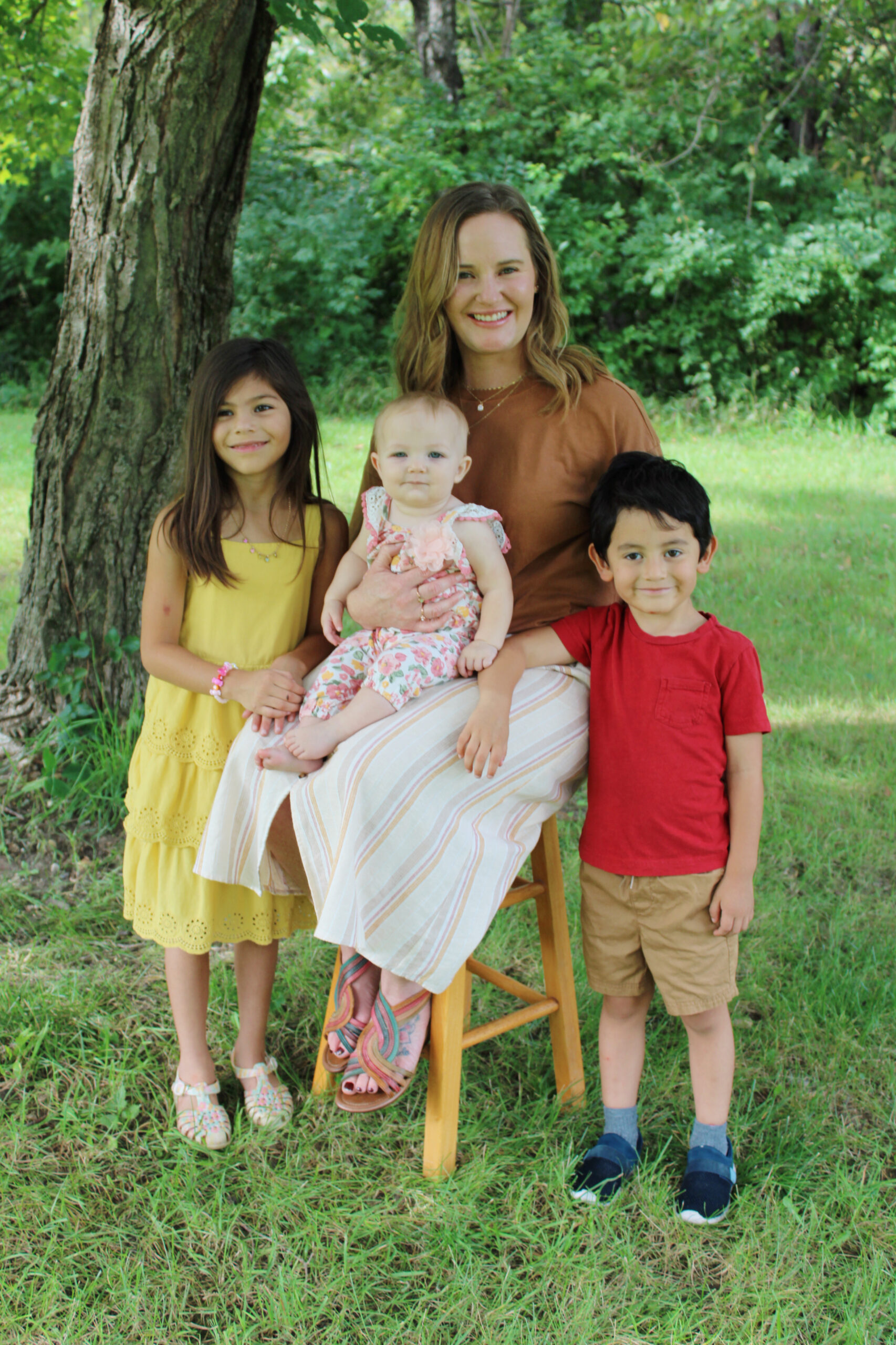
Sydney’s last pregnancy was in 2025. “Things have changed so much in the last seven years, in terms of research and legality.” She relied on cannabis the least during her last pregnancy, which included her only home birth.
As a practicing doula, Sydney often encounters questions about cannabis during pregnancy from her clients. “I always talk to my clients about the ways that they’re supported before they turn to cannabis. For most people, the more they’re supported in their relationships with others and themselves, the less the need to use cannabis as a tool.”
Sydney is constantly examining her relationship with cannabis, and she encourages her clients to do the same: “I love my relationship with cannabis [these days]. I love how fluid and changing it can be. How amazing is it to have a medicine that helps me, that I can dial up or dial down the dose as needed?”
The Questions Around Weed, Motherhood, and Birth
It’s always a personal question. But that doesn’t stop people from asking Sydney over and over again, “What’s the best way to consume for me?”
Her answer is the same – it’s personal, and it will change. “There are different reasons for different seasons. Motherhood is a constantly changing landscape, and cannabis can change with you.”
This is true whether a woman has just conceived, is freshly postpartum, or spends all day chasing kids around. “It can take some trial and error to find what works for you.”
But she does have special advice for women in the oft-ignored 4th trimester. “Take it low and slow with all products. There are so many physiological changes happening at once.”
Oftentimes, Sydney sees a moral question behind the logistical one. “There’s always a question of morality when moms ask me about weed. I ask them to lay out their intentions with the plant. Dissect your relationship with it. Is it supporting you or are you relying on it?”
Sydney knows that no two people will have the same answer to this question. “Some people come to me, and they want to stop consuming entirely. Some people want to use it differently. You can always change your approach with cannabis to make it feel better.”
Her advice is always to keep it personal and honest. “What works best for you depends on you, and it will change, and you can change it at any time. If you have morning sickness or HG, a dry herb vape can help with that. If it subsides later in your pregnancy, you can stop consuming that way.”
It’s not a concrete answer, but it’s also an incredibly complicated question. “It’s about your season. Motherhood is highly variable, cannabis is highly variable, and there are so many factors that go into each choice.”
It also requires being incredibly honest with oneself. “There’s a fine line between a tool and a crutch in motherhood. You have to find that for yourself, and it may change. You have to be able to adapt.”
Adaptability is central to Sydney’s approach to motherhood. “Cannabis helps me be more adaptable. Adaptability is the most valuable skill in motherhood. If cannabis or another alternative medicine helps you be more adaptable, then great.”
Another question Sydney often encounters is that of safety. She cautions a wider view of what that means. “It’s not just about the products. Safety is also knowing the laws and your rights where you’re pregnant and delivering.”
Safety also means protecting yourself in the delivery room of a hospital. “It’s easy to say, these are your rights. You can have all the knowledge, but when there’s four doctors standing in your room, and you just had a baby, and you’re in a vulnerable, primal state, it’s different. You’re giving birth in their house – they can and do withhold resources and support from you.”
Safety also means knowing the implications of your demographics. “I see a lot out there that is misguided on this subject. People are dealing with real implications in hospitals, especially women of color. It’s a fact that these women are at a disadvantage- they die more, and they’re harmed more. Throw in substance use, and it’s much harder for them to advocate for themselves.”
Teaching Her Kids About Weed
Sydney’s kids have known about cannabis their entire lives. To them, it’s just a plant. “I’ve been showing them cannabis books and pictures since they were born. They’ve touched the plant, they’ve smelled it, they’ve seen the herbal infusions I make.”
She doesn’t hide out in the garage or in the laundry room. “My kids have seen me smoke it and eat edibles. I always try to be as honest with them as possible, in an age-appropriate way.”
Sydney knows the conversation will evolve as her kids get older. “I wonder what it will be like for them, the first time they hear someone talk negatively about cannabis, because it’s so normal for them.”