Bailey Stuart, owner of
The Green Jar dispensaries and Chairman of the Control Board, agreed. “I got into this industry because I wanted to find quality flower and products. Our growers love experimenting and trying new strains.”
“Alaska is underrecognized for the quality of the products we have, and the level of innovation.” Randy Wells, owner of the
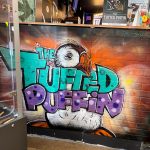
Tufted Puffin dispensary and consumption lounge, told me. “[For example], all of my packaging is made in Alaska, and is biodegradable.”
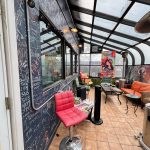
At the Tufted Puffin in Seward, people can enjoy a dispensary, an outdoor consumption area, and a
coffee shop, complete with infused creamer options. I stopped in between a kayak tour and a glacier hike; a chai latte with 10mg of infused creamer was the perfect pick-me-up in the middle of a long day. A specialty boba machine imported from Taiwan puts individual seals on the cups, so customers can take them off-premise and continue with their day’s adventures.
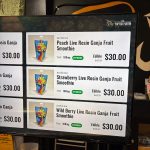
The creative edible options don’t stop at coffee. Both Tufted Puffin dispensary locations in Seward carry Arctic Ice Live Rosin Ganja Fruit Smoothies. While I didn’t try this, it’s by far one of the most creative edibles I’ve ever seen in a dispensary, and ideal for medical delivery as well.
What really brought me to the far north was the promise of Midnight Sungrown – seeing cannabis flower growing outside at
Rosie Creek Farms.
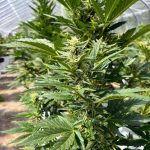
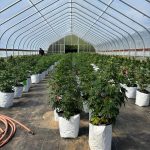
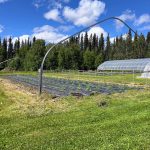
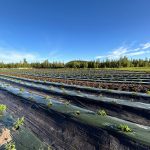
Owner Mike Emers plants 10,000 cannabis seeds each season. Seeing these plants swaying in the incredibly long hours of sunlight under black tarps and greenhouse roofs was a reminder that nature is capable of producing good flower around the world.
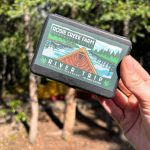
For a sungrown aficionado like myself, getting to try strains lovingly refined for this specific growing climate was a treat. I picked up a pack of Rosie Creek Farms River Trip prerolls (15 for just $50!) and enjoyed smoking a truly balanced hybrid strain throughout my travels. This was exactly the kind of flower I
want to see more of in dispensaries around the country: balanced, slightly potent, and enjoyable any time of day.
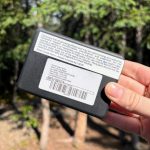
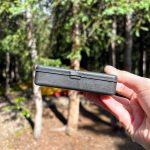
The packaging on these also came in quite handy. This doob tube box was made of heavy-duty plastic and had a firm seal. When my husband and I got caught in a torrential downpour during our trip to Denali, I was worried the joints would be ruined. There were several items that got wet in the backpacks, but thankfully, these joints did not. The packaging held well, and our precious cargo stayed dry and smokable.
Rosie Creek Farms stands alone as the only outdoor grower in the state, taking advantage of the free power of 20+ hours of daylight. Still, Mike welcomes the variety. “There’s a lot of incredible indoor-grown weed in the state. I’m just a groovy organic farmer who wants to do it this way.”
Of course, it’s not all top-shelf flower and high-end extracts. As Randy said, “There’s Wal-Marts of weed in every state. But if you don’t have anyone to compare to, how else will people know who the best is?”
Quality Comes At A Cost
Growing weed indoors is a costly endeavor in any state, where the light bill, water bill, and other utilities can quickly add up to the biggest expense for any cannabis grow. But in Alaska, this challenge is amplified with some of t
he most expensive commercial electricity in the nation, coming in just lower than
Hawaii and California, on average.
“Growers have to get really creative here, because we have the highest energy costs in the nation. Still, instead of seeing them as pinch points, it inspires creativity to grow the best plants possible under the conditions given.” Bailey said.
Genetic Innovation in Alaskan Cannabis
Mike has been focusing his 11 growing seasons on developing genetics that work well for the Alaskan climate. He gets about half his seeds from
Atlas Seeds, which grow in the greenhouses. These strains shine in higher THC potencies and stronger terpene profiles – but harvest can be tenuous during wet, rainy years when the buds can be prone to mold.
Rosie Creek Farms genetics, on the other hand, are grown directly under the sun and ring with consistently moderate THC percentages. They also boast a surprisingly amount of mold resistance.
“These strains are adapting to this region,” Mike said. During wet, rainy summer seasons, the RCF genetics still deliver a strong harvest. This flower is sold whole or hand-ground into prerolls.
Growing outside presents some challenges for any farmer, but particularly a cannabis farmer. Still, Mike’s agricultural background gives him a grounded perspective.
“You’re going to lose some plants.” He said frankly.
With roughly 10,000 plants per season, Mike has ample opportunities to explore different varietals of the same strain, keeping the best of each and refining them for the next season.
“We go through and cull any males. Most of our strains come from intentional crosses.” He said. “But every year, there are a few wild crosses. We take the seeds from these buds, and use them in our next planting season.” His team will grow 50 plants per strain trial to find the best iteration of the genetics. If you think this sounds like the development of
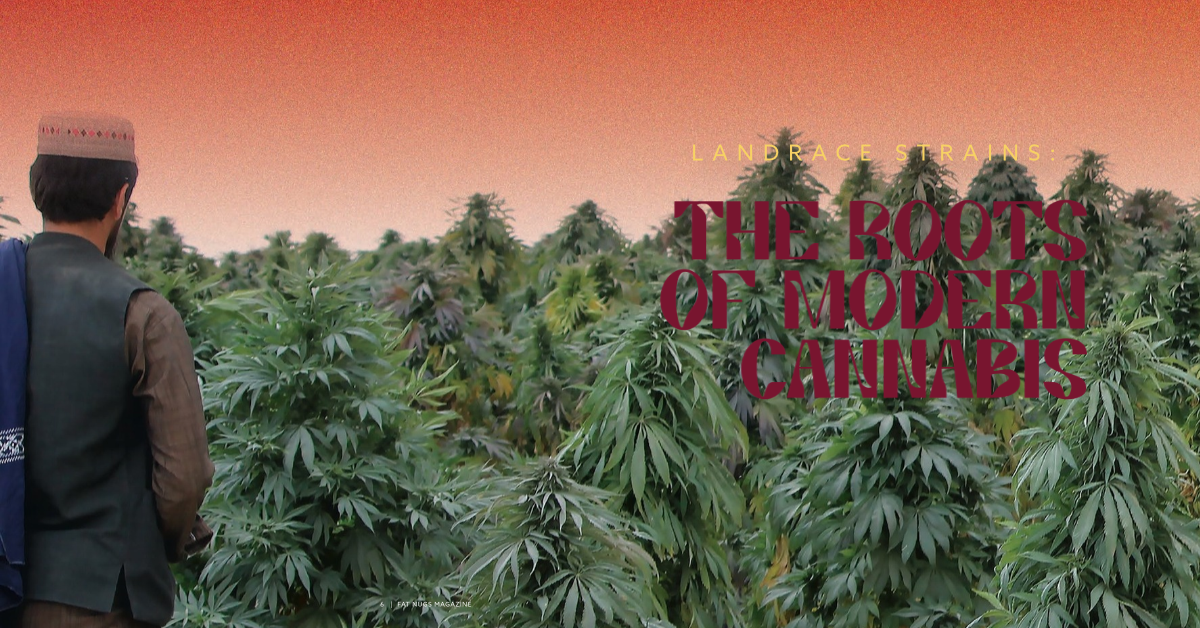
a landrace strain, you’d be right.
This level of innovation for the climate isn’t limited to Mike’s outdoor farm.
“I think this creativity leads into the genetics, because we see just as much innovation in indoor-grown plants as outdoor-grown,” Bailey said. “It was always hard to get seeds here, so there’s been a lot of focus on breeding. A lot of our OG growers have specific strains they’ve developed through years of work.”
What Happened to Iconic Alaskan Cannabis Strains?
Does this genetic innovation carry over to the most iconic Alaska strains,
MTF and
ATF?
The answer is disappointing yet familiar: No. And if you want to know why, thank the federal government.
According to John Collette, who
served 11 years in prison for cannabis, the government’s attacks on Alaska growers succeeded in essentially wiping the original MTF and ATF genetics from the strain library.
“There are still strains with those names today,” John said. “But they’re not the original.”
Alaskan Cannabis is For Alaskans
Most cannabis markets are made of a mix of locally owned businesses and large companies. But in Alaska, like
New Mexico, there is no outside influence – or interest.
“No one realizes how Alaska handles business!” Bailey said. “It’s easy to get a license here compared to other states.”
Easy, with one big caveat: Alaskan residents only. While many states require proof of residency, Alaska takes it a step further, with annual residency renewal requirements. This strict process is due to the Permanent Dividend Fund (PDF to locals), an annual payout for residents. This “
globally recognized sovereign wealth fund” is meant to “preserve and convert…oil and mineral wealth into a renewable financial resource for Alaskans.”
Regulations in the cannabis industry require license holders to prove their residency in the same way to be awarded a license. No Alaskan residency, no dice. This incredibly strict requirement, combined with the limited market size in the state, makes Alaska a haven from MSOs.







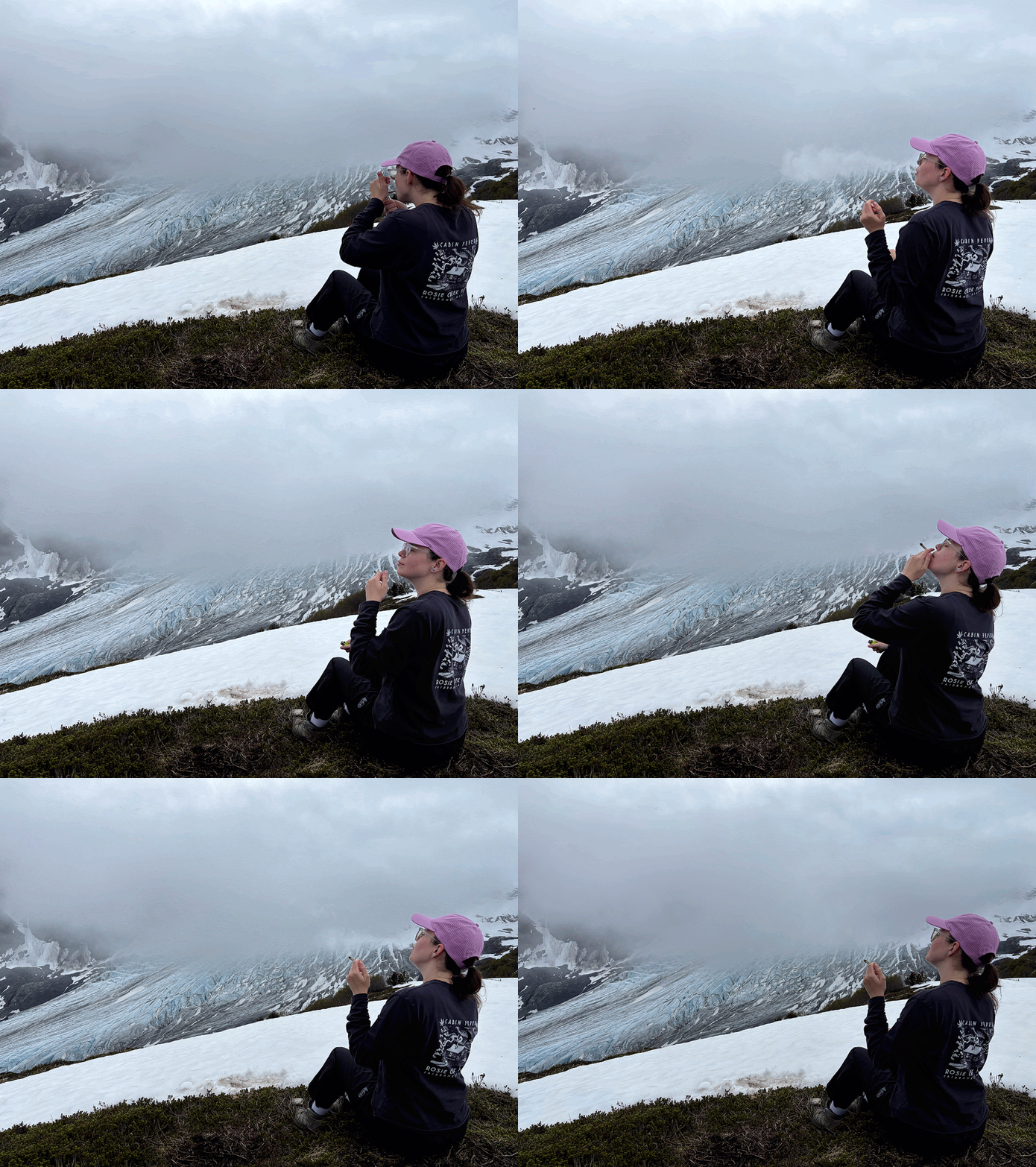 From Lady Gray’s chocolate bars to Snowcapped Garden’s flowers and the incredible sun-grown cannabis at Rosie Creek Farms, everything I tried here ticked the box of attentively made (or grown) and deliciously put together. If Alaska is on your bucket list, like it still is mine, plan a stop at a dispensary to explore what this market has to offer. The land is too beautiful for a photo to ever do justice, and the cannabis is surprisingly good; you just have to see for yourself.
With thanks to Rosie Creek Farms for hosting and PufCreativ for their sponsorship to make this trip happen.
From Lady Gray’s chocolate bars to Snowcapped Garden’s flowers and the incredible sun-grown cannabis at Rosie Creek Farms, everything I tried here ticked the box of attentively made (or grown) and deliciously put together. If Alaska is on your bucket list, like it still is mine, plan a stop at a dispensary to explore what this market has to offer. The land is too beautiful for a photo to ever do justice, and the cannabis is surprisingly good; you just have to see for yourself.
With thanks to Rosie Creek Farms for hosting and PufCreativ for their sponsorship to make this trip happen.