

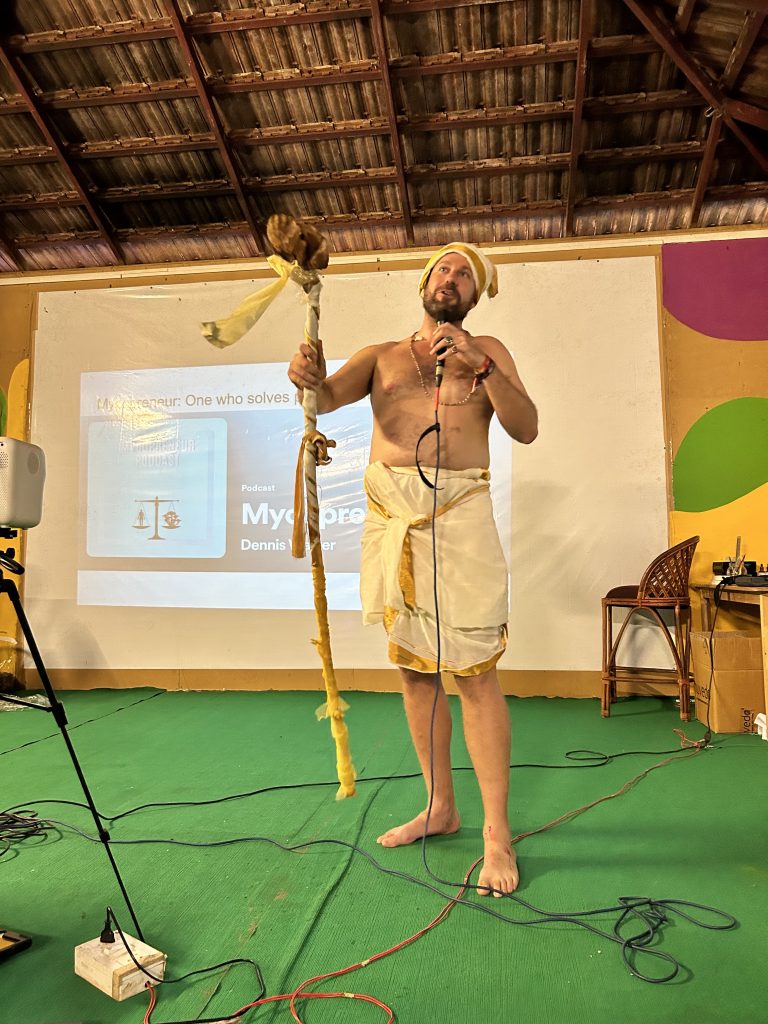
 The global mushroom entrepreneurship space is a true frontier market opportunity; the possibilities are so abundant and largely untapped that there is virtually infinite opportunity to create value in new, largely uncontested spaces. The market is so underdeveloped that collaboration breeds far more value than competition at this point.

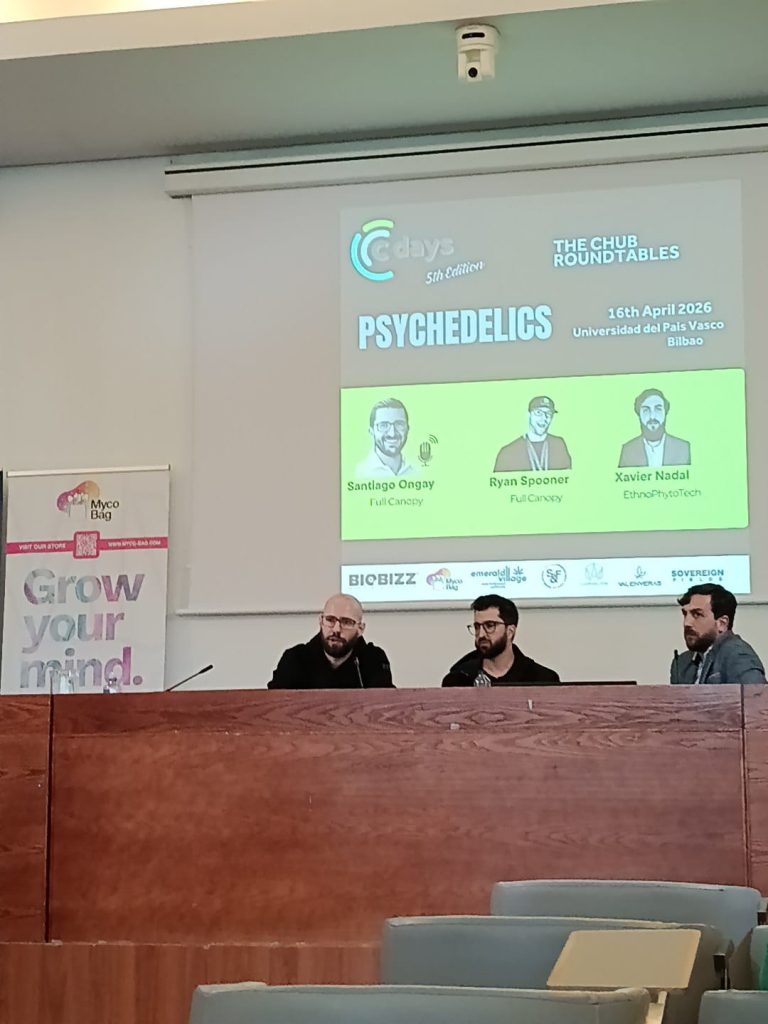 In the six years I’ve been running Mycopreneur, this willingness to seek out like-minded individuals and communities operating in the same space from different angles has led to an abundance of growth and opportunity that continues to pay dividends today.
One of the first principles of entrepreneurship that I learned was to pay attention to what other cultures are doing effectively which people in my own area are not currently leaning in to – for example, in rural northern Thailand I went out on a foraging trip with a very charismatic local guide who cracked jokes relentlessly and infused the humid and difficult mountain hike with belly laughter while pointing out the local plants.
I realized that no one I had been on a foray with back in the U.S. treated a mushroom foraging experience like it was also a comedy show. Characters like the individual I met on that fateful hike in Thailand have directly informed my own approach to infusing humor and laughter into the mushroom education space, which has largely become my trademark.
The mushroom industry may still look from the outside like it operates in fragmented regional silos, but the increasing momentum and number of entrepreneurs building relationships across cultures and borders are already shaping what the next phase of the industry will look like.
In the six years I’ve been running Mycopreneur, this willingness to seek out like-minded individuals and communities operating in the same space from different angles has led to an abundance of growth and opportunity that continues to pay dividends today.
One of the first principles of entrepreneurship that I learned was to pay attention to what other cultures are doing effectively which people in my own area are not currently leaning in to – for example, in rural northern Thailand I went out on a foraging trip with a very charismatic local guide who cracked jokes relentlessly and infused the humid and difficult mountain hike with belly laughter while pointing out the local plants.
I realized that no one I had been on a foray with back in the U.S. treated a mushroom foraging experience like it was also a comedy show. Characters like the individual I met on that fateful hike in Thailand have directly informed my own approach to infusing humor and laughter into the mushroom education space, which has largely become my trademark.
The mushroom industry may still look from the outside like it operates in fragmented regional silos, but the increasing momentum and number of entrepreneurs building relationships across cultures and borders are already shaping what the next phase of the industry will look like.