This article was first published in the Higher Education edition of Fat Nugs Magazine, published in the summer of 2025.
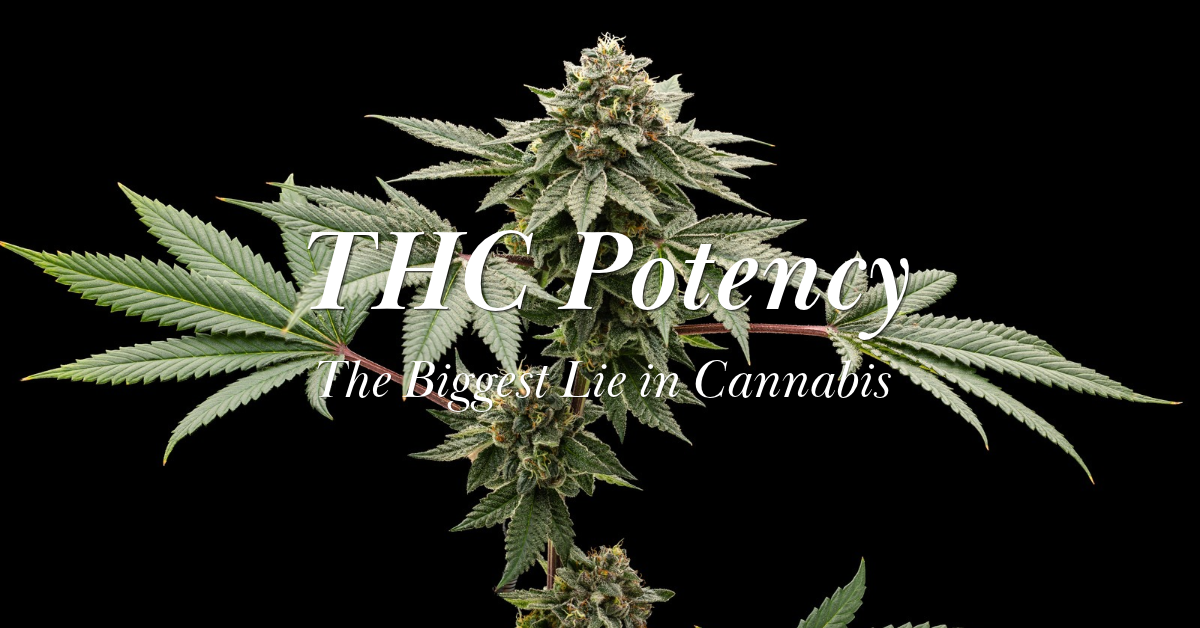
THC Potency is A Lie: Meet Terpenes and Cannabinoids
If all you drink is Everclear straight from the bottle, this article may not be for you (you’re probably too sh*tfaced to read it anyway).
But let’s get real, only drinking Everclear is kinda the same thing as basing your cannabis buying decisions on THC content. Seriously, if you’re going to take that route, don’t even f*ck with flower. Just shove a fruit-flavored 90% isolate pen in your mouth, blow phat clouds, and blast off.
The truth is, cannabis is about nuance, and THC is not the only thing that contributes to the effects of cannabis. But we live in a consumption economy where everything is about quantity. Everyone wants more, more, more. For generation greed, there’s never enough of anything.
The irony is that it’s antithetical to everything cannabis stands for. Cannabis is about subtlety. It’s about variations between strains. It’s about sharing with friends. Sure, it’s also about getting high, but for most of us, there’s a line somewhere. I don’t want to be stuck to a couch with a bib catching my drool. I want to be doing things and enjoying art, music, and culture. Sharing a blunt while socializing with friends. Going for a hike. Practicing Jiu-Jitsu.
To Low or To High THC? That is the Question
I’m not saying you need to go low THC, but one of the most beautiful things about cannabis is that you can have your (wedding) cake and eat it too.
Cannabis is a full-spectrum product. Fresh flower is always full-spectrum, which means it’s packed with THC, plus all the other amazing cannabinoids and terpenes that contribute to the high – and not all highs are created equal.
The THC train jumped the track when all weed started to get tested for THC. Since that date with destiny, THC potency numbers have become the holy grail for many shoppers. The assumption they make is that the higher the THC percentage, the better the weed.
Wrong.
High THC means something, but not everything. Terpenes matter. Other cannabinoids matter. If you want the fullest, richest cannabis experience, you gotta look beyond a single number on a label.
Say Hi, Cannabinoids
Cannabinoids are the naturally occurring chemical compounds in cannabis that interact with your body’s endocannabinoid system. To date, researchers have identified over 100 cannabinoids in weed, making cannabis the most abundant source of these plant compounds on the planet.
THC (tetrahydrocannabinol) is the cannabinoid we’re presently obsessed with and is known for the “high.” But that ain’t the only cannabinoid you should know:
CBD (Cannabidiol): Non-intoxicating, known for anti-inflammatory, anti-anxiety, and seizure-reducing properties.
CBG (Cannabigerol): Sometimes called “the mother cannabinoid,” it may support focus, gut health, and antibacterial action.
CBC (Cannabichromene): Linked to mood elevation and pain relief.
CBN (Cannabinol): Mildly psychoactive, often associated with sedation and sleep support.
THCV (Tetrahydrocannabivarin): Can produce a stimulating, appetite-suppressing effect.
THC is an attention seeker. While it’s out there stuntin’ like a daddy, these cannabinoids (and others) contribute to how each strain feels, tastes, and functions in your body. They also interact with each other, and with terpenes, in ways science is just beginning to get a handle on.
Terpenes: The Flavor and Aroma Architects
Terpenes are the natural oils found in cannabis that give cannabis its unique scent and flavor. From citrusy lemon haze to diesel-heavy kush, over 150 terpenes have been found in cannabis.
But terpenes don’t just smell good. There’s evidence that terpenes can influence how cannabinoids affect you. Some may even have therapeutic effects of their own, contributing to pain relief, mood modulation, and anti-inflammatory benefits.
Here are five of the most prevalent terpenes found in cannabis with their aromas and potential effects:
Terpene
Common Aroma
Potential Effects
Myrcene
Earthy, musky, herbal (like cloves or cardamom)
Sedating, muscle relaxant, anti-inflammatory, may enhance THC’s effects
Forget High THC Potency – Reach for The Entourage Effect
The entourage effect is the theory that cannabinoids and terpenes work synergistically, enhancing and modulating each other’s effects. Coined in 1999 by researchers Raphael Mechoulam and Shimon Ben-Shabat, it challenges the idea that THC alone defines the cannabis experience.
Science hasn’t fully caught up yet because decades of propaganda and prohibition stunted cannabis research, but anecdotal and early lab evidence point to this synergy as very real and muy importantante.
THC vs. Terpenes vs. Cannabinoids: The Truth
If high THC were the end-all, be-all, everyone would be ripping 95% THC isolate all day. But that’s not what’s happening.
Most experienced consumers prefer the full-spectrum experience of quality craft flower or concentrates because it’s not about getting as high as you can get; it’s about the quality of the high. Products with character, aroma, and complexity.
The Alcohol Analogy for THC Potency
Booze can be a great educator when it comes to weed:
High THC isolate = Everclear (strong, but lacking nuance).
Craft flower/concentrate = Fine wine or single malt (balanced, flavorful, complex).
THC gives you the buzz, but cannabinoids and terpenes shape the quality of that buzz.
We live in a world where more is better. Where greed rules everything around us. If you can’t draw the line anywhere else, draw it at THC and stop letting a single THC percentage test result dictate your purchase habits. High THC is a lie.
Pay attention to the entire cannabinoid and terpene profile, because the idea is not just to feel high, but to feel good.
Subscribe to Fat Nugs Magazine!
Love this article? Show your support for Fat Nugs with a magazine subscription!
As a fully independent media organization, Fat Nugs relies on the grassroots support of individuals like you to continue to write and share these articles. Every subscription helps us keep bringing you the unbiased, broad-ranging cannabis, hemp, and psychedelics articles like these.