Heirloom vs Landrace Strains
In today’s commercial cannabis market, the word landrace is often misused to imply exclusivity or purity. Many strains labeled “landrace” are modern hybrids with only partial ancestry from true landrace populations. Seed sellers frequently exploit the term to market products that may only contain a fraction of the original genetics or are landraces in name only.
True landraces must come from plants grown in their indigenous regions, often maintained by traditional farmers using heirloom seeds passed down through generations. When a strain like “Thai” or “Afghani” is grown elsewhere and crossbred repeatedly, it is not a landrace—it becomes an heirloom or heritage strain: genetically descended from landraces but cultivated outside their native environment.
Even experienced growers get confused when landrace genetics are diluted. The blurred distinction between wild and traditional plant populations and modern breeding stock makes tracking genetics very difficult.
Landrace Strains in the Cannabis Community
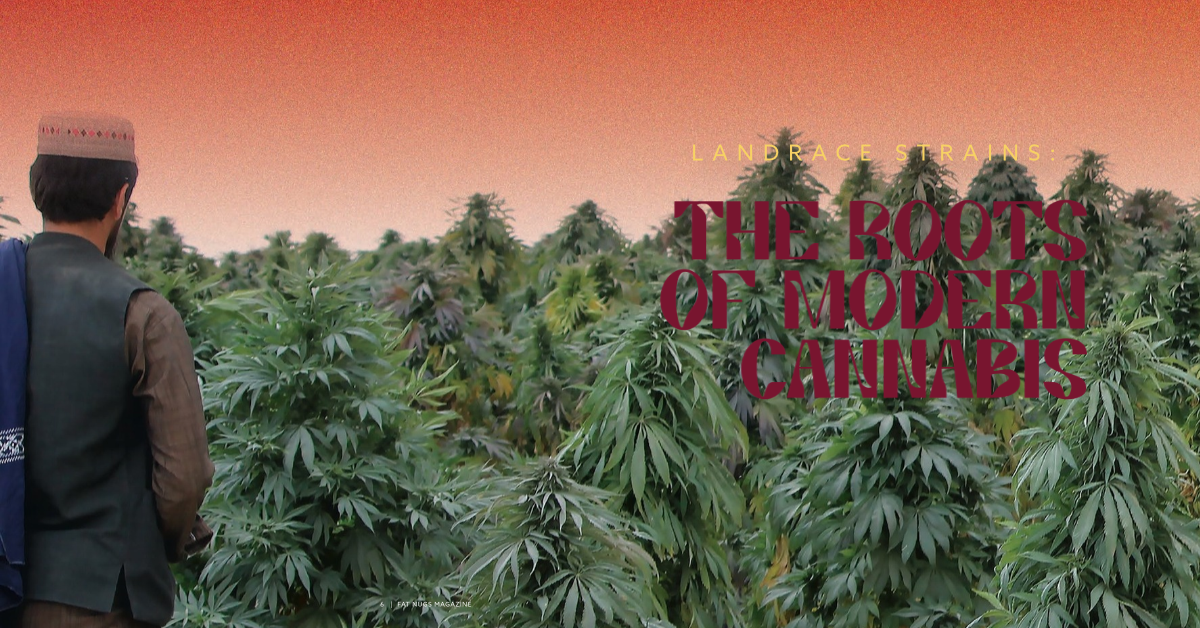
In the cannabis world, landraces have an almost mythical status. To many growers, they show a connection to the plant’s origins—before prohibition and the explosion of hybridization.
Collectors and preservationists continue to root out genuine landrace seeds from remote communities. Landrace Warden often risks his freedom to find landraces. Seed banks, breeders, and ethnobotanists have rescued some lines from extinction. Many landrace populations are endangered by modernization, eradication, and, as I witnessed in Colombia, cross-pollination with imported genetics.
Breeders and aficionados, growing landrace strains have a living link to the plant’s past—they can experience how cannabis grew before global commercialization. In forums, growers discuss landrace authenticity just like the wine or coffee world debates “terroir,” emphasizing how place and tradition shape the outcome.