Breeding Under Pressure: Looking Beyond Hype Strains for True Craft Cannabis Genetics

Why consumers and home growers should look past the newest drop and pay closer attention to breeder intent, line work, and the genetics behind the jar.

The Hype Strain Machine and the Evolution of Cannabis Genetics

There is a strange pattern in cannabis genetics right now: everyone wants the next drop, the loudest cross, the frostiest photo, the highest THC percentage, the cleanest pack art, and the strain that already has internet momentum before most people have even grown it.

Hype can come from real quality. A breeder can make something special and have the market respond to it. The problem starts when hype becomes the main selection pressure. Once a line catches attention, the demand for the next release can drive the work faster than the plant itself should be moving.

The hype machine is not just social media excitement. At its core, it is money pressure. Social media creates attention, but money turns attention into expectation. It is like an independent band making the record they wanted before anyone was watching – no manager, strategy team, demanding fanbase, or pile of other people’s money depending on the next record. The work is driven by taste and instinct.

Then the band blows up. Suddenly managers, fans, labels, investors, platforms, deadlines, and sales projections are all telling them the next record has to be bigger, cleaner, more marketable, and more successful. Cannabis breeding can fall into that same trap. A breeder may start by making thoughtful crosses, but once a release hits, the machine asks for more drops, recognizable names, THC, bag appeal, and money moving through the next launch.

That pressure makes “winner x winner” breeding extremely tempting. If one cultivar sells out and another cultivar sells out, crossing them together is easy to market because both names already carry attention. The logic is not completely wrong. Like generational sports families, popular cannabis parents can pass down desirable traits. But a famous parent does not guarantee a meaningful next generation. The real question is whether the parents complement each other and move a line forward, or whether two recognizable names simply make the next drop easier to sell.

Bigger breeders also have the bandwidth to make that strategy work more often. If they can pop hundreds or a thousand plants in a pheno hunt, they can throw numbers at the problem. With enough space, staff, testing, and money, a breeder can cross two famous winners and hunt a massive population until they find one standout plant. That does not make the cross automatically thoughtful. It means they had scale.

That is when hype strains become dangerous for the culture. The issue is not excitement. Excitement is part of cannabis. The issue is when money pressure starts making the breeding decisions. Instead of asking what the plant needs, the market starts asking what will sell fastest. Instead of selecting for depth, effect, flavor, structure, resilience, or long-term breeding value, the pressure shifts toward what photographs well, tests high, finishes fast, and moves packs.

What Small Breeders Do Differently

The best small breeders are usually not just asking, “What will sell fastest?” They are asking what a line can become.

A breeder working a line usually starts with a direction. They may have a cultivar, family, or plant they understand well, and they know what they want to preserve, improve, or combine. The real work is selecting parents that can pass those desired traits into the next generation, whether that means structure, aroma, effect, resin quality, vigor, flavor, resistance, or breeding potential.
That is very different from simply taking two popular names and putting them together for a release. A good cross is not just plant A plus plant B equals a catchy strain name. It is choosing parents with enough genetic weight to move the line forward.

That kind of work is slower and less glamorous from the outside. It does not always create the prettiest Instagram plant in the first generation. Sometimes the most valuable plant in the room is not the most photogenic one. It might be the one with the odd flavor, uncommon effect, better breeding potential, or the trait that brings a line somewhere new instead of sending it back into the same pool.

Small breeders usually work under a different kind of pressure. They may not have the space to run thousand-plant hunts, so their parent selection has to carry more weight up front. They have to know their lines, understand what traits they are trying to preserve or improve, and make more intentional decisions before the seeds are even made. That limitation can actually protect the craft. It forces the breeder to think harder about why the cross should exist in the first place.

This is where intentional line work separates itself from hype crossing. Intentional breeding has a reason behind the pairing. Hype crossing is more reactive: it throws whatever was hot at whatever else is hot, hoping the market recognizes the names before anyone asks what the cross actually does.

That is how cannabis genetics drift toward sameness. If every parent is selected for the same narrow list of traits – bag appeal, speed, yield, color, frost, THC, and marketability – then every generation gets pushed toward that same center. It is like mixing colors. If you carefully choose two distinct colors, you can make something vivid. If you grab every crayon labeled 30 percent THC, purple, 56-day finish, heavy yield, and limited drop, then scribble them into one pile, you eventually get brown. A lot of hype strains smoke like genetic brown.

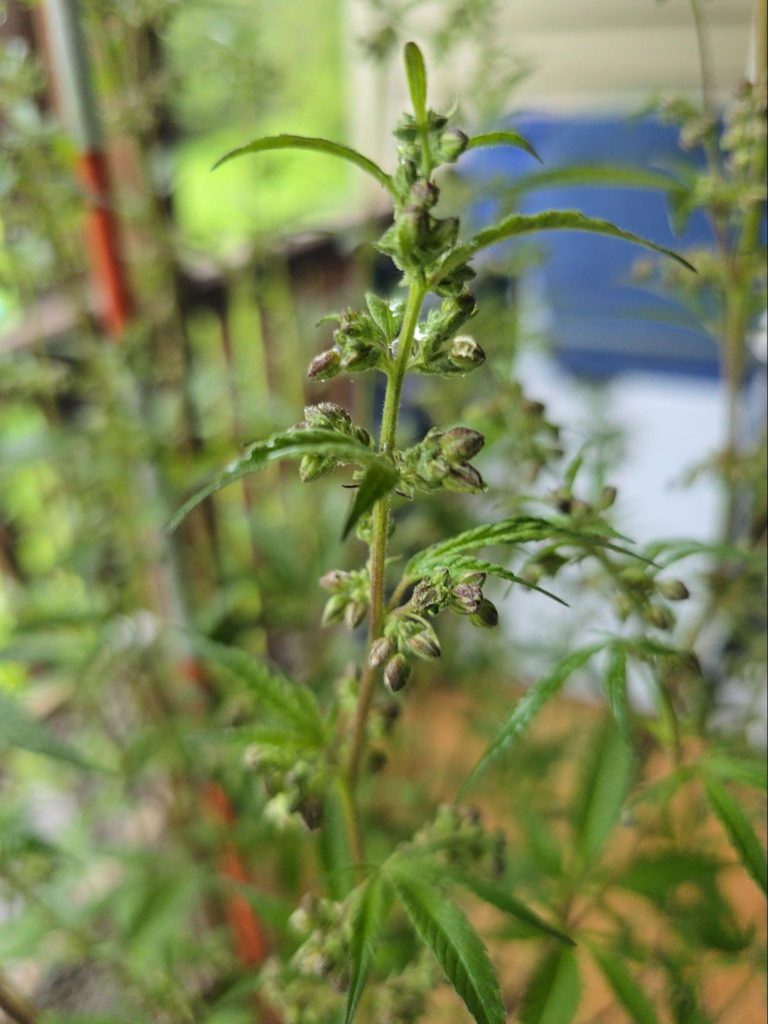
cannabis genetics article image 1_photo credit Zach Bedell

The Prohibition-Era Link: Why Legacy Cannabis Genetics Still Matter

To understand why this matters, we have to remember where a lot of modern cannabis came from. During prohibition, small growers and underground breeders carried the plant forward under real legal risk. They preserved heirlooms, worked landrace-influenced material, held clone-only lines, hunted seeds in hidden rooms, and kept genetic doors open before there was a legal market rewarding them.

Those people were not working with the same incentives most of the modern market is built around. There were no glossy launch calendars, no seed-drop countdowns, and no algorithmic pressure to make every plant look like a trophy shot. Much of that work was about survival, sharing, preservation, adaptation, and love for the plant.

That old underground work is part of why today’s consumers can still find depth in cannabis at all. Foundational families like Skunk, Chem, Afghan, Haze, and Sour Diesel did not become important because of a pretty package. They became important because they carried memorable traits: unmistakable aroma, strong effect, breeding value, cultural weight, and a kind of staying power that newer hype strains often try to borrow.

The connection between legacy preservation and modern craft breeding is not nostalgia for nostalgia’s sake. It is a reminder that cannabis needs rollback points. If the market keeps narrowing toward the same high-THC, fast-finishing, high-bag-appeal hybrids, traits outside that lane become easier to lose.

Why Consumers Should Care About Line Work

This may sound like breeder talk, but it affects regular consumers directly. If you buy cannabis only by the highest THC number, the frostiest photo, or the most familiar strain name, you are letting the easiest marketing signals do all the thinking for you.

THC matters, but it is not the whole experience. A 2022 PLOS ONE study on commercial cannabis found that common market labels do not consistently line up with the chemical diversity actually present in the plant. That should matter to consumers. It means the words on the shelf, the strain name, and the visual category may not tell you as much as you think they do.

The experience comes from the whole plant: cannabinoids, terpenes, flavonoids, resin quality, harvest timing, cure, freshness, and the genetic work behind the flower. [FNM editor note: suggested internal link to a relevant Fat Nugs article on terpenes, cannabinoids, or cannabis effects.]

Line work gives consumers better questions to ask. Instead of asking only for the highest THC flower or getting stuck on indica versus sativa, ask better questions: “Do you know who bred this strain?” “Do you know who grew it?” “What flower here has the best all-around experience?”

A good shop often knows its menu better than the label does. The people behind the counter may consume the brands they carry, hear customer feedback, and know which growers consistently produce interesting, well-grown cannabis. Over time, those questions help consumers recognize breeders, growers, and producer teams they trust. You start noticing the same names across states, menus, and conversations. That is where cannabis starts to feel less like shopping by strain name and more like following craft.

How to Buy Better Cannabis Genetics

Research the breeder, not just the strain

Before buying a pack or chasing a jar, look up the breeder or producer. Do they explain their selection process, parents, testing, or the reason the cross exists? Good breeders usually leave clues. Hype-first marketing usually leaves slogans.


Look past THC and photos

A beautiful macro shot does not prove the plant is good. A high THC number does not guarantee a better effect. Look for repeated feedback from people who have grown or smoked the line. Pay attention to flavor, effect duration, structure, resin character, and whether people report similar experiences.

Follow the places where real conversations happen

The best information is not always sitting in the loudest public post. Forums like Overgrow, Discord groups, local grow circles, small events, and direct breeder conversations can tell you more than a launch graphic ever will. The closer you get to people actually growing, selecting, and smoking the lines, the more useful the information gets.

Support breeders with a point of view

You can see this difference in breeders and genetics brands that still feel like they have a point of view. Purple City Genetics, Wicked Genetics, Mack’s Terps, Heroes of the Farm, and Brothers Grimm are examples I pay attention to for different reasons. The point is not that every release from any breeder is automatically perfect. The point is that some breeders still feel connected to selection, taste, community, and a recognizable direction instead of only chasing whatever name is hot that month.

That consistency matters. Not because people want the same thing over and over – cannabis has enough copy-and-paste flower. It matters because certain breeders earn trust when their work keeps showing plant quality. After a while, you know the names that bring vigor, structure, flavor, effect, and reliability with them. In my own experience, Heroes of the Farm, Wicked Genetics, Mack’s Terps, and Brothers Grimm seeds have shown strong early vigor, even from seed stock. That is the difference between chasing a strain name and learning whose work actually keeps showing up.

The Real Divide in Cannabis Genetics

The real divide in cannabis genetics is not big versus small. Some larger breeders do excellent work, and some small breeders are just chasing the same hype with less infrastructure. The divide is intent versus pressure.

Is the work being driven by a reason, or is it being driven by the need to keep releasing? Is the breeder building something, or just stacking famous names together? Does the flower leave a memory, or does it just look good long enough to sell?

Hype strains are not going away, and they should not disappear completely. New drops are fun. Beautiful plants are fun. The problem is when hype becomes the only filter. If more consumers look past the photo, THC number, and pack name, the market gets better. The breeders doing real work get more support, and the plant keeps more of the depth that got it here.

About the Author

Zach Bedell is a cultivation R&D specialist, the CEO of Z0neControl, and the founder of Gordon’s Garden Selections, a curated cannabis genetics platform focused on breeder stories, preservation-minded work, and trusted cannabis genetics. Connect with him on LinkedIn.

Subscribe to Fat Nugs Magazine!

Love this article? Show your support for Fat Nugs with a magazine subscription!

As a fully independent media organization, Fat Nugs relies on the grassroots support of individuals like you to continue to write and share these articles. Every subscription helps us keep bringing you the unbiased, broad-ranging cannabis, hemp, and psychedelics articles like these.

Search for Articles