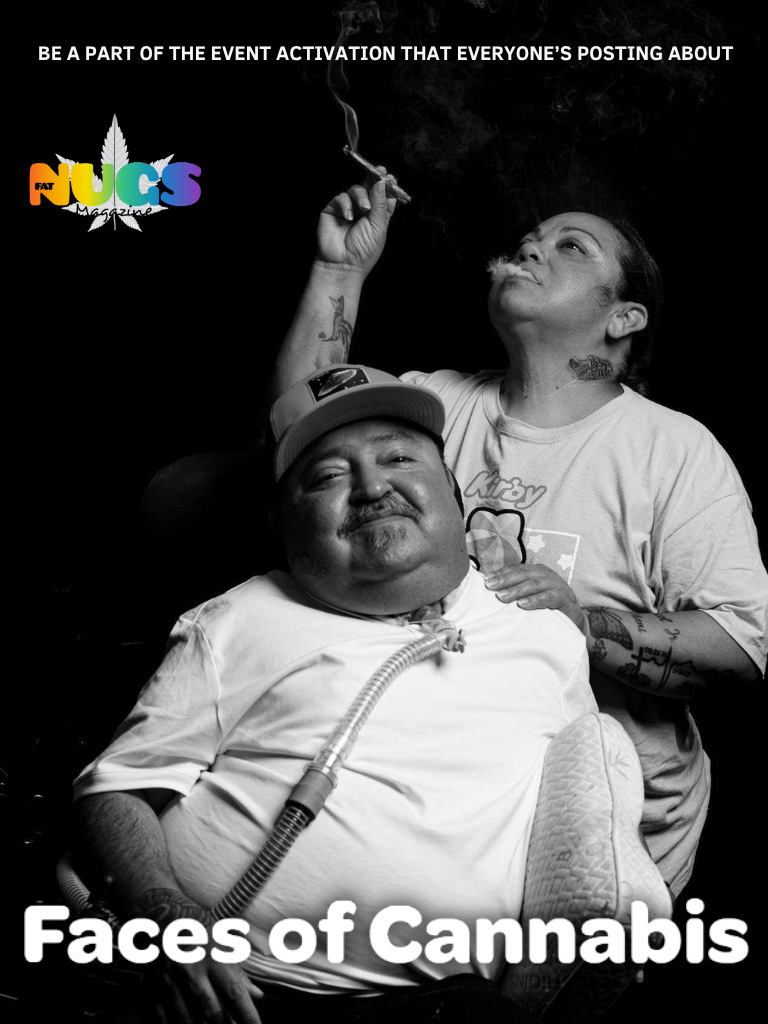
This bizarre digital world is filled with messages and imagery ranging from make-up tutorials and cooking recipes to the latest product launch and humans being mercilessly burned in the rubble of their makeshift tent city. Social media provides everyday people, large corporations, brands, celebrities, and murderous soldiers the platform to deliver their unique messages. But one major multi-billion dollar industry and its consumers are being left out – or should I say unconstitutionally silenced.

How Technology Works Against Cannabis Activism
Big tech, like Meta, has been under scrutiny by the federal government and local officials to do more to
censor “drug-related” content. And for all intents and purposes, they have obliged. Like clockwork, every few months, Instagram cracks down on cannabis accounts, deleting profiles, shadow-banning accounts, and putting algorithmic mechanisms in place to reduce visibility, reach, and engagement. Instagram’s official “marijuana” policy states:
“Instagram doesn’t allow people or organizations to use the platform to advertise or sell marijuana, regardless of the seller’s state or country. Our policy prohibits any marijuana seller, including dispensaries, from promoting their business by providing contact information like phone numbers, email addresses, street addresses…”
However, many accounts – small and large – have been affected for merely posting educational, activist, or cultural content as it relates to cannabis. Even though nearly half of America’s 50 states have legalized cannabis, and the Federal Farm Bill made way for low-dose THC products across the U.S. by excluding hemp from the definition of marijuana, big tech still suppresses cannabis and hemp brands at every step of the way.
Want to diversify your marketing tactics by tapping into digital ads? Google will shut it down faster than you can yell Bing. Looking to reach your customers through email? Watch out for the mail monkey that will swiftly disable your account. Want payment processing or e-commerce on your website? Square, Shopify, and WooCommerce have a rep for cutting ties. Need a bank account to pay overhead costs and to operate as a legitimate business? Good luck with most FDIC-Insured banks. And let’s not forget to mention the very real suppression of creative content across nearly all mainstream social platforms.
It’s been a growing issue, but it seems there’s no end in sight. This suppression isn’t simply a financial inconvenience to grows and dispensaries. It impacts nearly everyone in the cannabis industry, whether plant-touching or ancillary. It impacts the ability to reach ideal customers and patients, thwarts efforts to educate, silences activists trying to raise awareness, hurts small artisan growers, prevents progress in the opioid epidemic, and effectively abandons the most vulnerable communities impacted by the war on drugs.
Embodied Cannabis Activism: An Old Tradition Renewed
So what’s the solution? All the major tech brands will likely continue to suppress cannabis content. My conclusion… let’s bring out the pig.
I feel it’s nearing time we all but abandon the infinite scroll on these platforms for good, old-fashioned offline meet-ups. We’ve grown complacent in our approach to asserting our rights by thinking we do so with the flick of a thumb. In reality, it’s the in-person, show-up-with-your-body, bring-a-pig sort of energy we need to really make change.
It’s the mockingly absurd, yet legal, protests; the nomination of Pigasus, political pie-throwing, and public smoke-ins (one of which inspired the Gastown Riots) that garner the attention we need to move the needle.
In fact, it was the story of the late Great Midwest Marijuana Harvest Protest co-creator and fellow Yippie,
Ben Masel, smoking a full joint in the voting booth as a protest that lit a flame under my ass to show up in the Wisconsin cannabis activism movement. It was his constant and intentional guerilla street activism and incessant prodding of our First Amendment rights that earned him the moniker “hell-raising rabble-rouser.”
And yet, each year on 4/20, the city of Madison celebrates the notorious cannabis holiday with its own local holiday, “Ben Masel Day.” This holiday is both an ode to an incredible man and simultaneously a slap in the face of his lifelong pursuit of liberty and justice for all Wisconsinites, knowing cannabis remains illegal after all these years.
Grab Your Lipstick and Don’t Forget Your Pig
Don’t misunderstand my desire to bring back Yippie antics for that being enough for change. It won’t be enough. Our system is deeply flawed, and the only way to truly enact change is to strip money and corruption from politics, starve the billionaire class of its unregulated price gouging and blood money, and dismantle decades of deeply racist systemic advantages from the inside out.
Meanwhile, social media likely won’t go anywhere, and we will continue to be trapped in the confines of their unfair jurisdiction over the online dissemination of cannabis creativity and information. We can try to utilize it as best we can, but ultimately without collective pressure and action, or federal law change, there won’t be much movement. Some are ready to abandon these platforms, and I share the sentiment.
Ultimately, it’s still the showing up that counts the most. It’s committing to the action – whether it’s boycotting Amazon and Walmart, participating in your local hearing regarding cannabis laws, purchasing your
favorite grassroots magazine, or rallying with local orgs to support community initiatives, it’s the showing up that will set us on a path to freedom.



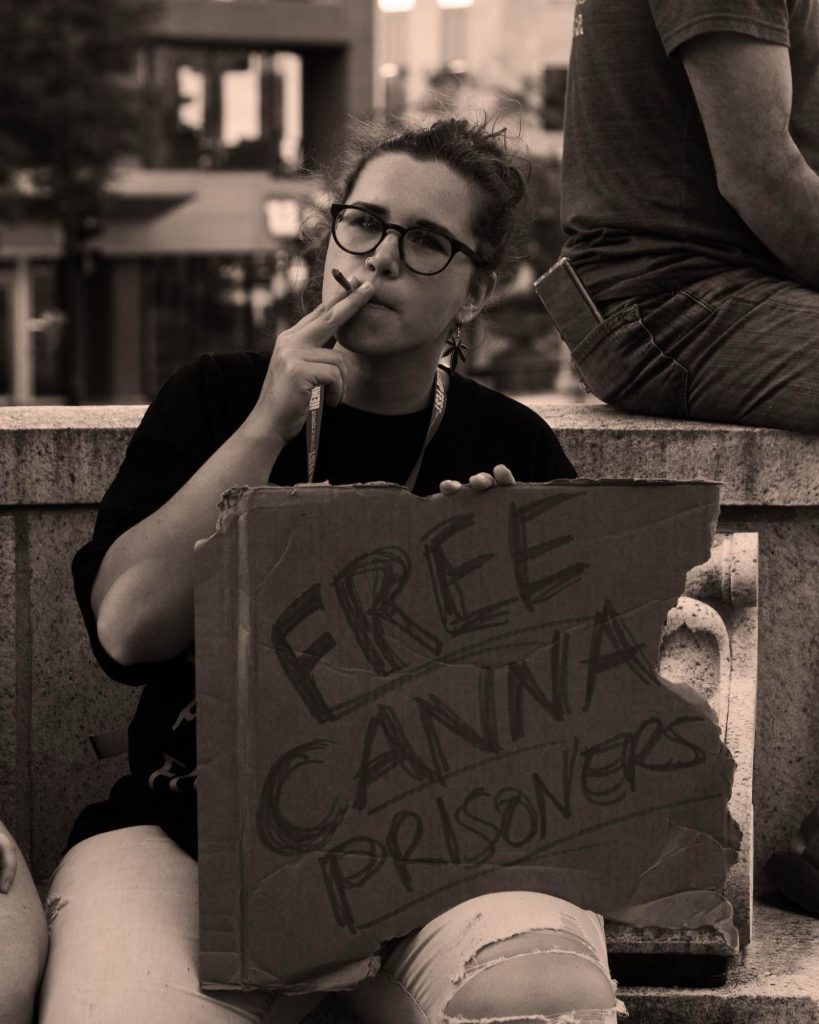

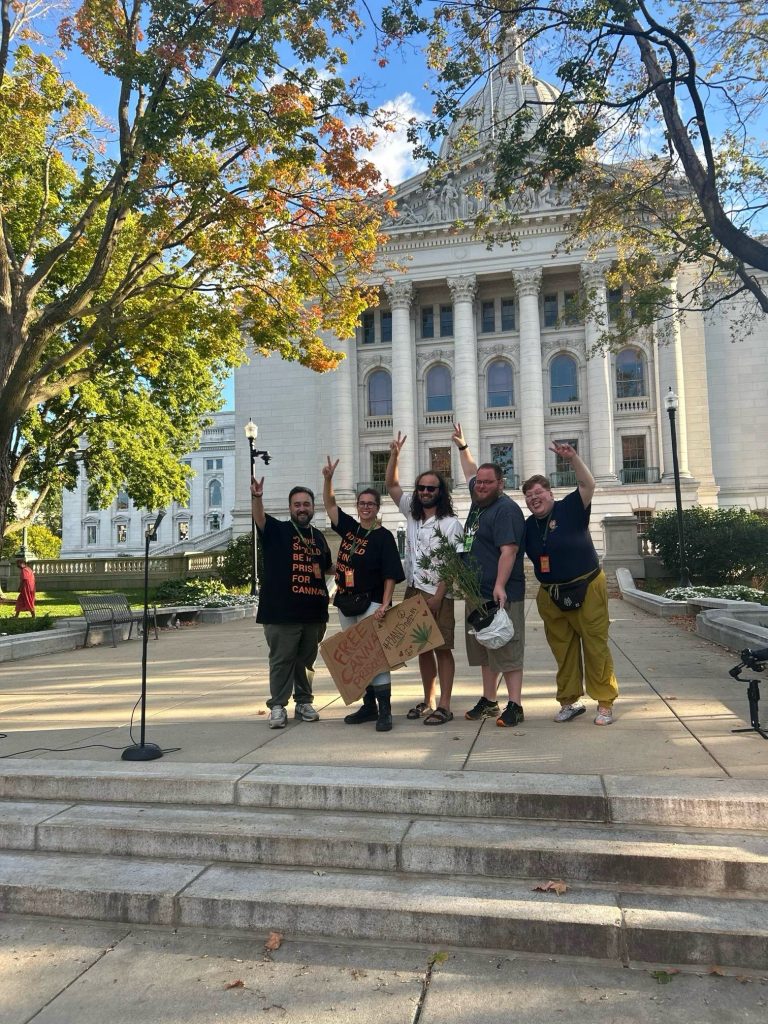 It’s time to show up in real life, with our voice, with our community, with the mission as our sole driver. If it hasn’t yet been made clear, it would be fair to consider this my revival of whatever is left of the Youth International Party. Absurdity, meet absurdity. I hope you’ll join me.