Smoking, Edibles, Oils, or Capsules? Oh My! Route of Cannabis Administration Matters for Cancer Patients

Read more about cannabis, psilocybin, and cancer patients in the Cancer edition of Fat Nugs Magazine

The question of how to use cannabis rarely gets the same attention as whether to use it. In most conversations, route of administration is a lifestyle choice between a joint and a gummy.

When someone is in cancer treatment, it becomes something else entirely. The body changes. Nausea arrives on a schedule. Lungs may already be compromised. A caregiver might be handling the dose. The window between “this helps” and “this made everything worse” gets narrower, and the consequences of miscalculating it get heavier.

Cannabis and Cancer Patients

Between 20 and 40% of people in active cancer treatment use cannabis, according to surveys across multiple cancer centers. Most are making route decisions without much clinical guidance — not because they haven’t asked, but because their care team often doesn’t have answers ready.

The 2024 ASCO clinical guidelines on cannabis in cancer care put it plainly: access has outpaced the science supporting its use. That gap lands hardest on the practical questions. Not should I use it, but how. Which form. When. What to expect. Why the same dose might feel entirely different from one week to the next.

Those are the questions this piece addresses directly.

Cannabinoids Matter for Cancer Patients

One variable missing from this conversation is the cannabinoid ratio. Route determines when and how a compound reaches the bloodstream; ratio determines which compounds are present and in what proportion.

THC drives psychoactive effects, appetite stimulation, and much of the acute anti-nausea action. But it also carries cognitive impairment and dose-dependent anxiety. CBD modifies the THC experience, adds anti-inflammatory and anxiolytic properties, and does not produce intoxication.

The ratio between them is a clinical variable, not a style preference — a 20:1 THC:CBD sublingual oil is a very different tool than a 1:1 product delivered through the same route.

There is also a translation problem between guidance and retail. Clinical literature describes administration routes in pharmacological terms: inhalation, oral, oromucosal, transdermal. Dispensary menus describe products in marketing terms — flower, concentrates, edibles, tinctures, topicals, vapes, distillates, RSO — with potency listed only as THC percentage.

A patient told that sublingual administration is preferred may arrive at a dispensary without knowing which products qualify. Dispensary staff is often the primary source of guidance for patients not discussing cannabis with their oncology team, and the quality of that guidance varies substantially. Bridging that vocabulary gap currently falls on patients to work out alone.

Smoking, Edibles, Oils, or Capsules? Route of Cannabis Administration for Cancer Patients

Here is what the evidence — and the oncology-specific realities — actually say about each major route.

Smoking and Vaping: Fast, But at a Cost

Inhalation remains the most commonly recognized form of cannabis use.

When cannabis is inhaled, THC reaches the bloodstream rapidly — effects begin within minutes and duration typically runs two to four hours. For someone managing acute nausea or a sudden pain spike, that onset speed is genuinely useful. There is no waiting through an hours-long edible delay when chemo is doing something awful right now.

The problem is what inhalation asks of the body in exchange, and that looks different in cancer than it does elsewhere.

The Risks for Cancer Patients Smoking Weed

Smoking cannabis introduces combustion byproducts into airways that may already be inflamed or compromised. For patients with lung cancer, respiratory complications, or anyone on treatments affecting pulmonary function, smoking adds a burden the lungs do not need.

Vaping reduces combustion, but inhalation still carries irritant risks: sore throat, airway inflammation, cough. Clinical oncology nursing guidance notes elevated arrhythmia risk for high-risk cardiovascular patients using inhaled cannabis.

The pulmonary concern is important. Many people in cancer treatment are already managing reduced lung capacity, post-surgical recovery, or treatment-related immune suppression that makes respiratory infections more dangerous. Adding combustion irritants to that picture is a compounding risk that is easy to avoid by choosing a different route — if patients know it in time to make that choice.

There is also a logistical reality: not every cancer patient can comfortably step outside to smoke, has the lung capacity to inhale comfortably, or has a caregiver equipped to help with an inhalation device.

Vaporizers: Bridging the Gap

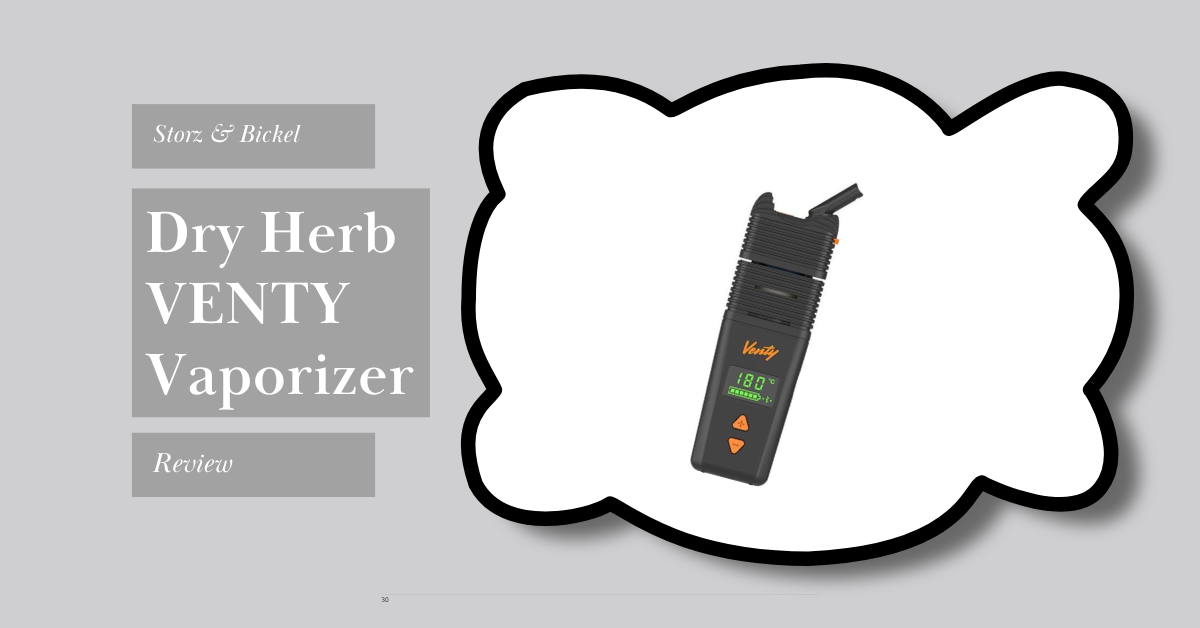
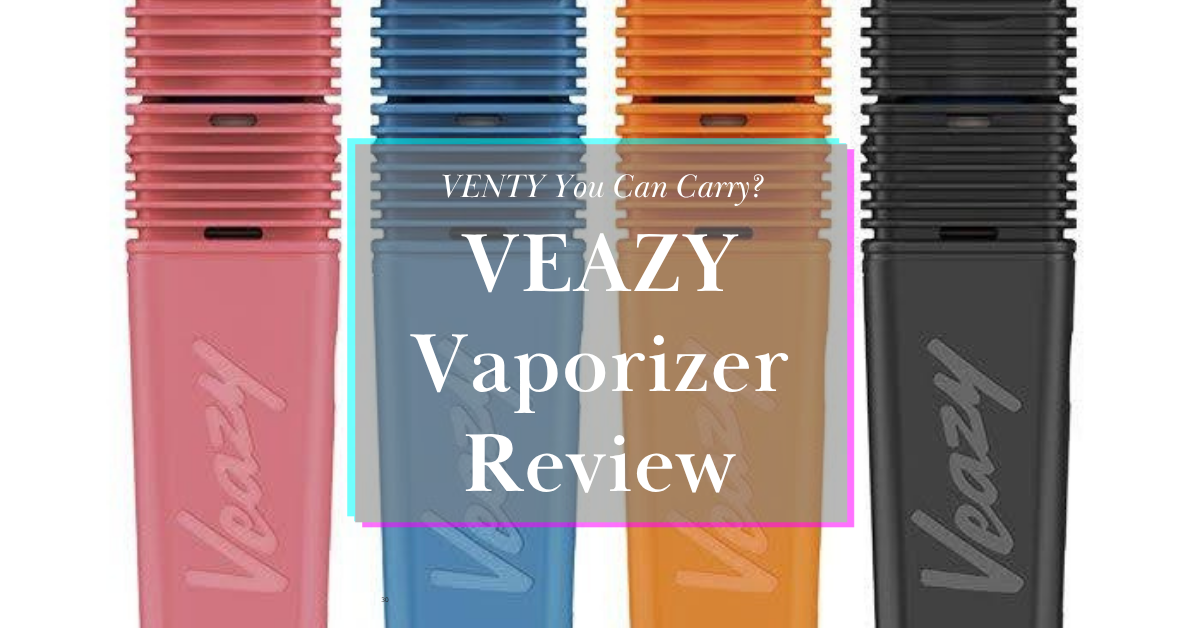
Vaporizers designed for dry herb or oil can make inhalation more controlled and less irritating than combustion. If a patient needs rapid onset and inhalation is physically viable, a quality vaporizer is a meaningful harm-reduction step over smoking.

Inhalation should not be the default choice in cancer care the way it might be recreationally. The stakes are different.

Edibles: The Timing Problem

Edibles are the form people most often reach for when they don’t want to smoke. Capsules, gummies, and infused foods feel discreet, measurable, and manageable.
But the pharmacology complicates this.

When THC is consumed orally, it passes through the digestive system and liver before entering the bloodstream. That process converts delta-9-THC into 11-hydroxy-THC, a metabolite with its own potency profile and a longer duration of action. Onset typically takes one to three hours, and effects can last six hours or longer — far harder to time intentionally than inhalation.

In cancer treatment, that variability is a serious practical problem. The digestive environment during active treatment is often in flux — nausea, appetite changes, medication interactions, and altered gut function all affect how the body processes anything it takes in. A cancer patient who eats an edible hoping for nausea relief may wait an hour, feel nothing, take more, and then experience a compounding effect hours later.

Absorption is, as the clinical literature puts it, erratic. Oncology nursing guidance flags this delayed onset as a driver of unintentional overconsumption and adverse events including nausea, anxiety, and disorientation — the exact symptoms many patients are trying to avoid.

The planning problem runs both directions: underdosing because the effect seems slow to arrive, then overcorrecting, is a common pattern. These are predictable consequences of using a time-delayed, absorption-variable route in a physiological environment that is constantly shifting.

This does not make edibles useless. For sustained symptom management — overnight pain, appetite support across a day, sleep — the longer duration of oral cannabis can be exactly what is needed.

The issue is acute or time-sensitive use: managing nausea that arrives fast, bridging a specific window, responding to a symptom that has just spiked. Edibles are not built for that.

Sublingual and Tinctures for Cancer Patients: The Middle Ground

Sublingual administration occupies a pharmacologically useful middle position.

Cannabinoids absorbed through the oral mucosa bypass the first-pass liver metabolism that makes edibles so variable, with faster, more predictable onset than swallowed edibles. Effect duration falls between inhalation’s short arc and oral’s extended one.

For cancer patients, this route offers real control: dose can be titrated more carefully than with food-based edibles, which matters for someone starting cannabis for the first time or managing a body already taxed. Timing is more reliable than oral ingestion, so a patient can take sublingual cannabis closer to a known symptom window and expect it to be active when needed.

There is no pulmonary burden, a caregiver can manage administration without difficulty, and the format travels well — a small bottle is easier to manage during treatment than a vaporizer or a food product needing refrigeration.

Sublingual is Preferred for Medical Patients

The clinical literature increasingly treats sublingual as preferred for medically vulnerable populations, citing predictable biopharmaceutics and a lower side-effect burden than combustion. That preference rests on pharmacological reasoning and extrapolation from general cannabis pharmacokinetics, not controlled trials comparing outcomes by route in cancer patients specifically — reasonable evidence for clinical guidance, but weaker than direct trial evidence.

Taste is the most common complaint. Cannabis oils vary widely, and some patients find them difficult when flavor sensitivity is already altered by chemotherapy or radiation.

It is also more often a solvable problem than a pharmacological one: flavored formulations exist, the oil can be added to food or drink, and some patients find the taste fades into the background after a few uses. It is worth troubleshooting before moving to a route that may fit less well pharmacologically.

Topicals and Concentrated Extracts: A Different Conversation

Topicals — lotions, balms, transdermal patches — sit outside the systemic administration conversation. The cannabinoids in most topical formulations do not cross into the bloodstream in meaningful amounts.

For localized pain — joint pain, neuropathic pain at a surgery site, radiation dermatitis — topicals may have a genuine role. For nausea, appetite, sleep, or any symptom requiring cannabis to reach the central nervous system, they are not the right tool. Transdermal patches are an exception, designed for systemic delivery through the skin and requiring a different clinical conversation than standard topical creams.

RSO Topicals for Cancer Patients

Rick Simpson Oil, or RSO, deserves specific mention because it circulates widely in cancer communities and is often misunderstood. RSO is a highly concentrated, full-spectrum extract that can be administered orally, sublingually, or topically.

Its word-of-mouth reputation far outpaces the clinical evidence for it, and its potency means oncology guidance specifically advises caution to prevent unintentional overdose.

Anyone considering RSO should treat it with the seriousness of any high-dose medication — start small, proceed slowly, and remember the delayed onset of oral administration applies here too.

The Best Cannabis Administration Route for Cancer Patients

The practical question for any cancer patient using cannabis is not which route is abstractly best  — it is which route fits the specific symptom, timing, physical capacity, and care situation in front of them.

That match changes as treatment changes: a patient who manages nausea with sublingual oil during active chemotherapy may find edibles more useful once digestion has stabilized.

Route is a clinical variable that benefits from the same ongoing attention as dose.
  • For acute nausea hitting fast: inhalation, if lungs allow, or sublingual.
  • For overnight pain or appetite support: oral edibles or capsules, dosed an hour or more ahead of when relief is needed.
  • For a patient who cannot reliably inhale and needs faster onset than an edible: sublingual.
  • For a caregiver managing dosing at home: sublingual oils or capsules offer the most consistent, measurable options.
  • For localized site pain with no need for systemic effect: a topical is worth considering.
Caregiver-administered cannabis is a context the route discussion often overlooks.

For patients whose illness limits self-administration — during severe nausea, surgical recovery, or cognitive effects that make independent dosing difficult — the route has to be one a caregiver can manage reliably.

Sublingual oils and capsules are the most caregiver-compatible formats: a measured drop or a pill requires no device, no inhalation, and can be administered consistently. If a caregiver will be responsible for administration, the route decision should be made with that reality at the center.

Start Low and Go Slow

For anyone starting cannabis for the first time during treatment, start low, go slow. This applies to every route, but most of all to edibles, where delayed onset creates the highest risk of inadvertent excess.

What “start low, go slow” looks like in practice:
  • A starting point for sublingual oils in some clinical frameworks is 2.5 mg of THC, held under the tongue for 60 to 90 seconds, with at least a two-hour wait before a second dose.
  • Edibles or capsules use the same starting dose with a longer wait — two to three hours — to account for delayed onset.
Escalating means adding no more than 2.5 mg at a time, waiting several days between adjustments. These are not rigid prescriptions, but they give patients a concrete framework rather than a vague instruction to “go slow.”

CBD vs THC for Cancer Patients

For patients who have never used cannabis and are uncertain about THC’s psychoactive effects, CBD-dominant formulations are worth considering as a starting point.

High-CBD, low-THC sublingual oils or capsules let a patient experience cannabinoid administration — and identify adverse reactions — without full psychoactive exposure. CBD at therapeutic doses does not produce intoxication, and starting with a CBD-dominant product through a predictable route like sublingual administration before introducing THC is a practical harm-reduction approach.

Finding the Right Cannabis Products for Cancer Patients

Product quality and safety deserve direct mention, especially for immunocompromised patients.

Cannabis from unregulated markets can contain pesticide residues, heavy metals, and microbial contaminants — an infection risk a healthy adult would not face, but a real one during active chemotherapy. Licensed dispensary products in states with mandatory testing are screened for these contaminants and are safer than unregulated sources, a real consideration where patients lack access to a comprehensive medical program.

None of this replaces a conversation with an oncology care team, however imperfect those conversations may be right now. Research through NCI-designated cancer centers found that only about 20% of patients using cannabis reported discussing it with their oncologist — a striking gap given how many are using it.

The science is still building, and the guidance is catching up. But the gap between “I’m using cannabis” and “I understand what I’m taking, how it works, and why I chose this form” is closable, and the route of administration is where that conversation gets specific.

About the Author

RN Collins is the staff writer at Fat Nugs Magazine, as well as 1L at Northeastern University School of Law and a neuroscientist exploring how brain health and the environment intersect. Through her writing, she bridges academic research and science communication to reframe how psychoactive plants and other traditional and alternative medicines are understood. She’s building a career that connects law, technology, and creativity—and welcomes conversations and opportunities across fields that share that vision. Connect with her on LinkedIn!

Subscribe to Fat Nugs Magazine!

Love this article? Show your support for Fat Nugs with a magazine subscription!

As a fully independent media organization, Fat Nugs relies on the grassroots support of individuals like you to continue to write and share these articles. Every subscription helps us keep bringing you the unbiased, broad-ranging cannabis, hemp, and psychedelics articles like these.

Search for Articles