
In Louisiana, alcohol is not something people debate very much. Living here, you notice how naturally it fits into everyday moments. It is present at the table, at the bar, and woven into community gatherings without much explanation. That makes this a difficult place to talk about alcohol alternatives if the conversation starts in the wrong place.
You Cannot Ignore the Culture Here
People here are not interested in being told to drink less or rethink their traditions. Those traditions are personal, inherited, and closely tied to identity. When alternatives are framed as a fix or a replacement, the reaction is often quiet resistance. What tends to land better is the simple recognition that people already show up differently, and that how someone drinks on a random Tuesday is not always how they drink during a parade weekend or a family dinner.
What I see most often is not rejection, but adjustment. People slow their pace without announcing it. They rotate drinks. They take breaks without calling attention to them. There is a growing awareness around balance that feels practical rather than ideological. People want to be present for the music, the food, and the company, while still feeling capable the next morning. For parents, that calculation often includes how they show up at home the following day. For older consumers, it reflects an honest awareness that recovery does not come as easily as it once did.
In Louisiana, change rarely arrives through theory. It arrives through what works quietly, in practice, and without asking people to abandon who they are.
Curiosity Exists, Access to THC Beverages Does Not Always Follow
Interest in alcohol alternatives, including THC and functional beverages, shows up faster than availability. People are often open to trying something different, but whether it ever shows up where they shop or go out is another matter. Decisions get made far from the customer, and that distance shows up as limited options and inconsistent availability.
For the average person, this shows up as limited options or confusing gaps. I hear people ask for the same products again and again, but they are not always easy to find twice. Something might be available one week and gone the next, and that unpredictability makes it difficult for small businesses to build anything steady around the demand.
This disconnect slows learning on all sides. Consumers cannot develop preferences for things they cannot try repeatedly. Operators cannot observe patterns or understand what resonates over time. Responsible growth depends on feedback, and those feedback loops break down when access is restricted before a category has the chance to settle into everyday use.
Education matters here, but only when it is handled carefully, without pressure or agenda, because the moment it feels persuasive, people stop listening. They want enough context to decide for themselves. In Louisiana, especially, anything that sounds instructional or corrective tends to lose people quickly.
In hospitality settings, alternatives tend to work best when they are treated as part of the menu rather than as a separate conversation. When THC or functional options are presented with the same confidence and neutrality as any other offering, customers are far more willing to try them without feeling like they are making a statement.
Why the Conversation Around THC Beverages Still Belongs in Louisiana
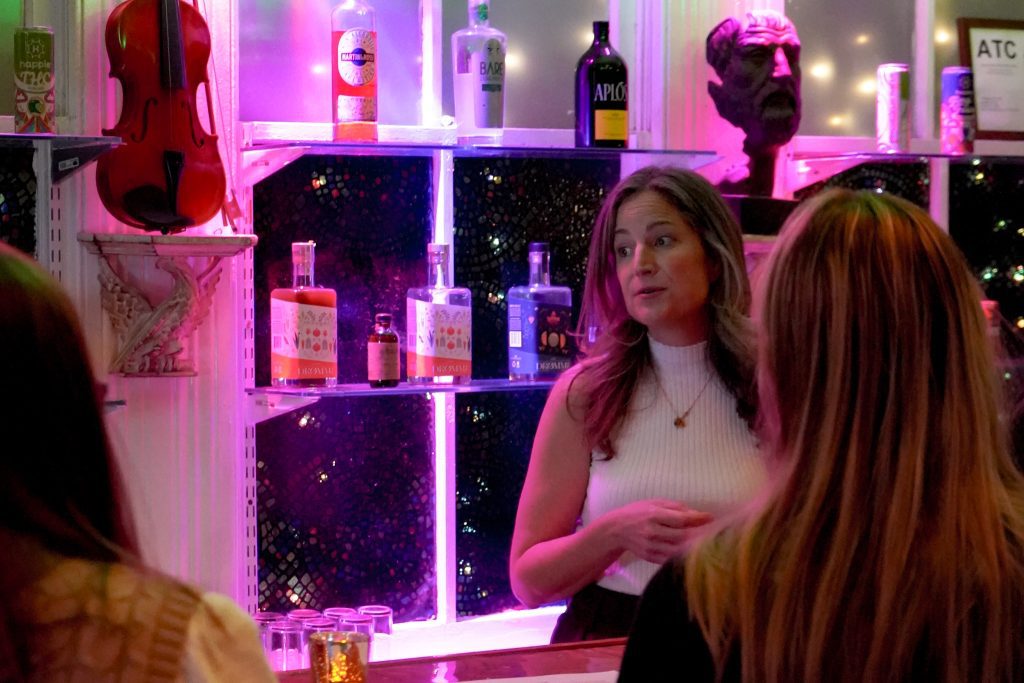
Spending time in bars and restaurants makes one thing clear. People still want to go out. They still want to gather, linger, and be part of something social. What has changed is how they think about their limits, and how much flexibility they expect from the spaces they spend time in.
For operators, this creates a quiet pressure. It has become clearer to me that pouring more drinks does not always lead to the outcome people are hoping for, even as the expectations around hospitality and sustainability stay exactly the same.
In environments where drinking has traditionally set the pace, having alternatives changes how long people stay and how comfortable they feel staying. Guests who have options that suit them are more likely to remain present rather than leave early. That benefits the room as a whole, without forcing anyone to change how they participate.
Louisiana is uniquely positioned for this evolution because community here is not abstract. People still show up for one another, and they do it with purpose. When conversations turn toward drinking differently, there is often a quiet worry that choosing something else means stepping aside. What I see more often is that when people have options, they stay longer, remain present, and continue to participate in their own way.
The question is not whether functional and THC beverages belong in Louisiana. They are already part of the landscape here, even if they do not always appear consistently or in obvious ways. The larger question is whether the systems surrounding them can move at a pace that allows interest to settle into familiarity, without pushing against the rhythms and traditions that shape how people gather.
The Louisiana Character
Louisiana has always evolved while holding onto its character. That balance is part of its resilience. Alcohol alternatives and THC beverages do not threaten the traditions of celebration here. They reflect the quiet ways people are already adjusting, without fanfare, while still showing up for the same music, the same parades, and the same long nights that define this place.
What passes for progress here is rarely dramatic. It tends to surface in small, practical ways, through choices that feel easy rather than deliberate, and familiar rather than new.
About the Author
Monica Olano is the founder of Cali Sober Distribution and Mélange by Cali Sober, an alcohol-free bar in the famous French Quarter of New Orleans.
