Legalization didn’t erase the legacy cannabis market; it exposed the gap between culture and compliance. For those who came up before licenses and lab reports, cannabis was built on trust, reputation, and survival, not just vault space or THC percentages. As the industry moved from underground to regulated, many of the people who carried the torch were invited in but rarely given the tools to truly build.
This interview with Derek D’Ambrosio of Legacy Operations LLC traces the path from legacy hustle to legal infrastructure, exploring how authenticity scales, why Massachusetts social consumption will matter, and how equity operators can move beyond retail into ownership, hospitality, and real community connection through new event licenses in Massachusetts.
An Interview with Derek D’Ambrosio
From Legacy to Legal
As a Massachusetts social equity applicant, how has your journey from the legacy market to the legal industry shaped the way you approach building compliant but authentic cannabis brands?
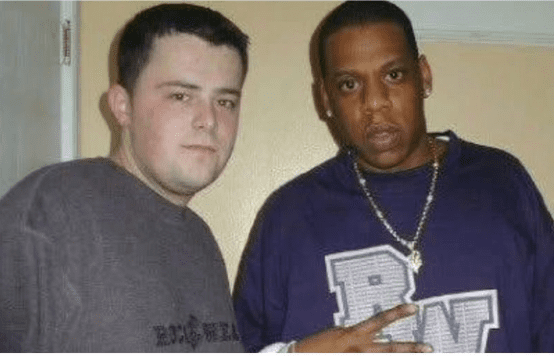
The legacy days taught me something no textbook ever could: in cannabis, authenticity is your operating system. Your word, your work, your flower, that was the whole contract. If you slipped on quality or character, the market corrected you fast. I’ve been in this since ’94, but it wasn’t until I got into the music game that it really started to scale.
We were selling CDs out of the trunk, funding studio time the same way we funded the hustle. Our label, SMO Money Records, built everything from nothing, no investors, no safety net, just four kids with a vision and the streets as our seed round. Our CEO and brother Big SMO passed under suspicious circumstances. That loss still fuels me today; I carry his lessons forward in everything I build. Back then, you didn’t need a lab report to know if something was fire. You cracked the bag, looked at the trichomes, smelled the cure, watched how it broke down and burned. Cleansmoke, loud nose, real cure, that was your $40 eighth. Those weren’t “brand standards”; that was survival.
When I crossed into the legal market, I saw how much of that got lost. People were shopping for THC percentage and price, not story and craft. The Social Equity Program was supposed to change who gets to participate, but not how the game is played. Most folks were still stuck in a pure retail model built for volume, not relationships. So I stopped thinking like “just another license holder” and started thinking like a curator and platform builder. That’s where Legacy Operations came from. It’s less “one brand” and more like a record label for cannabis culture.
We work with brands like Erva, Packs, Beantown Greentown, Chill, Tyson 2.0, and now Summit Lounge, not to mash them into the same lane, but to let each speak to its real people. One might be wellness and low-dose. Another might be connoisseur craft. Another might be strictly culture and community. They don’t compete; they complete the picture.
“Authenticity + compliance = scale.” Here’s the formula the legacy market gave me: authenticity + compliance = scale.
The old world taught me what real looks and feels like. The new world gave me infrastructure, data, and credibility. Put together, smaller operators can finally compete on truth instead of a race to the bottom on price. And because I came in as a Social Equity Applicant, this isn’t abstract. It’s personal. The people who took the risks and held this culture down deserve more than a cameo in legalization. They deserve ownership, infrastructure, and a seat at the table that can’t be yanked away when the spotlight moves. Social consumption licensing is the next evolution of that: moving cannabis from a transaction to a relationship. Not “how much can we move tonight,” but “how deeply can we connect people to the plant, the brands, and the communities behind it.” That’s the lane I’m building in.
New License Types & Why They Matter: Massachusetts Social Consumption
Social consumption has been a long time coming in Massachusetts. What types of licenses or pathways are now available, and which ones do you think will have the biggest impact on the culture and economy?
If you were in the room on January 2, 2026, it didn’t just feel like a policy update; it felt like someone finally took the parking brake off Massachusetts cannabis. The state approved three social consumption pathways: Supplemental, Hospitality, and Event Organizer. On paper, they’re “license types.” On the ground, they’re new ways to host culture legally.
At Legacy Operations, we’re not picking one lane and hoping it hits. We’re building a three‑license ecosystem and handing that blueprint to Social Equity operators so they don’t have to learn the hard way like we did. Right now, we’ve got a dozen-plus certified Social Equity Applicants lined up, and each one can hold up to three of each license type. Our job is to help them use that power without getting trapped in bad contracts or extractive partnerships. I’ve been in those bad deals before. I’m not letting the next wave walk into the same traps.
Massachusetts didn’t just legalize lounges; it opened a full ecosystem, and we’re building the playbook so equity operators can actually own a piece of it.
Supplemental – The Foundation Layer
Think of Supplemental licenses as the “turn your existing spot into an experience” button. If you run a dispensary, you can now create on‑site consumption zones. If you’re a cultivator or manufacturer, you can go full “cannabis brewery” tastings, with real transparency into how the product is made. For a delivery operator, you finally get the chance to have a public-facing home base instead of living in the shadows as a logo on a bag. This is where a lot of equity operators will start: low build‑out, high impact. You turn industrial space into cultural space, one compliant room at a time.
Hospitality – Where It Starts to Feel Like a Scene
Hospitality licenses are where it stops feeling theoretical and starts feeling like you just walked into the future. A Hospitality License is basically a stand‑alone cannabis lounge/café license. You can run a permanent space where people buy and consume on site under the same roof, with full security, air systems, inventory tracking, and staff training. You can build your own flagship, or plug into existing non‑cannabis venues, hotels, restaurants, galleries, nightclubs, and carve out a compliant consumption zone inside their four walls.
That’s where Summit Lounge comes in. Summit is our flagship hospitality brand: high-end, hospitality‑driven, culture‑focused. The model is simple: They bring the venue and the vibe. We bring the licensing, compliance, and portfolio of brands. Together, we build destinations, not just stores. And we’ve already seen models like Cirrus Social Club in Denver prove that this works. They’ve set a new national standard for cannabis hospitality, creating a first-class, design-driven experience that feels less like a dispensary and more like an exclusive members’ lounge, where cannabis replaces the bar as the centerpiece, but the experience stays elevated, intentional, and social. Think of it like reimagining The ‘Quin House with cannabis instead of booze. That’s the model.
Cirrus demonstrated that a well-executed cannabis hospitality venue can become a nightlife destination, attract mainstream consumers, and operate profitably, projecting multi-million-dollar annual revenues and breaking even within months. And honestly, if any of the high-end lounges and hospitality venues around MA want to explore what that looks like, combining their venue expertise with our licensing, compliance, and portfolio brands, I’m easy to find.
That’s exactly the partnership we’ve built for. That kind of success shows the potential of this license type, not just for revenue, but for reintroducing cannabis to the mainstream the right way: professionally, publicly, and proudly.
It might have a bit of that Amsterdam energy in terms of ease and comfort, but with Massachusetts‑level structure around ventilation, security, capacity, and impairment. People see the vibe; regulators see the air changes per hour and SOPs. Both are by design.
Event Organizer – Turning Culture All the Way Up
If Supplemental is your foundation and Hospitality is your living room, the Event Organizer License is your block party pass. This is what lets you host temporary, on‑site consumption experiences: festivals, concerts, pop‑ups, ticketed shows, where people can actually buy and consume legally in a controlled zone. Packs has been sponsoring events like Rolling Loud and other festivals for years, holding it down culturally, but stuck on the sidelines when it came to actual transactions. Now we get to bring the full experience, licensed product, compliant service, staff trained in impairment recognition, and no one driving home high because we built transportation right into the flow.
We’re already pairing up with promoters and nightlife operators. They bring the crowd and the stage; we bring the licenses, compliance backbone, and brands. Everybody stays in their genius lane, and everybody wins.
The Three-Lane System
Here’s how it all connects:
Supplemental pulls cannabis into existing facilities and makes the “back of house” part of the story. Hospitality builds flagship social spaces like Summit, where cannabis is the main character. Event Organizer takes that energy outside the four walls and plugs it into festivals, shows, and city streets.
We’re not chasing three random licenses; we’re building one ecosystem where compliance, culture, and cash flow are aligned, not fighting each other. By 2029, if we do this right, you’ll see:
- 100+ Supplemental sites
- 20–30 Hospitality lounges
- 50–100 licensed events a year, statewide
Those numbers are ambitious on purpose, but they’re not fantasy. They’re scaled off the demand we’re already seeing from operators, venues, and communities who are asking,
“When can we do this legally?” Whether we land exactly on those figures or not, the direction is clear: this is going to move the needle on both culture and local economics. And beneath all that math is something more important: cultural repair. Cannabis moving from contraband to community. From something you hide to something you experience, together, in the open.
The Ideal Model (Safety, Equity, Culture)
From your perspective, what does the ideal model look like in Massachusetts social consumption, and how can it balance public safety, equity, and authentic cannabis culture?
Picture this: instead of a dark back room with a fog of smoke, you walk into a space that feels like a cannabis-forward café or gallery, where you can see everything, from the art on the walls to how air is moving through the room. That’s the ideal model in Massachusetts: customer-experience-first, compliance-rooted. Not “pick one” between public safety, equity, and culture, but design the room so all three reinforce each other.
Think less “secret lounge” and more “transparent, wellness-forward third place,” where regulators, neighbors, and cultureheads can all walk in and immediately understand what’s going on.
Space Design = Communication
The room itself should tell you this place is serious about people. That means: Ventilation that beats code, not barely passes it. Real aesthetic and hospitality, art, design, comfortable seating, not folding chairs in a warehouse.
Water and food accessible, with rest zones so the goal isn’t “stay baked” but “stay well. Age-gated entry and real ID checks, not “yeah, you look 21. Visual transparency into operations so regulators and guests can literally see the standards. Done right, the space says: “You’re safe here. You’re respected here. And this culture matters.”
Staff Training = Safety Layer
Every social consumption horror story you can imagine starts with untrained staff and no one empowered to say no. Here, everyone on the floor is trained not just on the products, but on: Impairment recognition, De-escalation, When and how to cut someone off, How to get people home safely, rideshare, transit, designated drivers
Overconsumption isn’t culture; it’s liability. It doesn’t just hurt that one guest; it risks the whole movement. That’s why transportation is baked into the experience, not an afterthought. People don’t drive impaired because the whole system is designed to prevent it.
Revenue Model = Built to Last
If social consumption isn’t financially sustainable, it becomes a gimmick. But if you chase revenue the wrong way, you end up encouraging overconsumption, and that’s a non‑starter for public health and regulators.
The sweet spot is recurring revenue built on education and experience, not just “how many milligrams can we sell tonight”: Pop‑up tastings where people actually learn what they like. Ticketed nights with live music, chefs, or art. Membership models that trade perks for loyalty, not pressure. Cross-promos with local businesses, dinner + lounge + show. Workshops on dosing, quality, and responsible use
Relational doesn’t mean more product; it means deeper education and better pacing. When I say “relational model, I don’t mean “keep people here longer so they buy more.” I mean deeper education, better pacing, and spaces where it’s normal for staff to slow you down, not push you forward. The relationship is with the plant, the brands, and the community, not with overconsumption. Community Curation = Real Culture. A cannabis lounge without culture is just a room with smoke in it. The ideal model programs the room as intentionally as the menu.
Local artists and musicians on the walls and stage, not stock art and playlists. Real conversations about equity, repair, and policy, not just product drops. Partnerships with the same underground communities that kept this alive when it was risky.
Space was held on purpose for Black, Brown, immigrant, and LGBTQ+ communities, who built so much of this culture and took the hits when it wasn’t legal. When you design from that lens, the space stops being a transaction and starts being a platform for identity, storytelling, and belonging. That’s when regulators, neighbors, and community leaders start saying, “Okay, this is more than just a lounge.”
Put it all together, and you get: Intentional design + trained staff + sustainable revenue + real community curation = a model that actually works. Public safety doesn’t get sacrificed for vibes. Equity doesn’t get sacrificed for profit. Authenticity doesn’t get sacrificed for compliance. They hold each other up. That’s the blueprint we’re building at Legacy Operations so that, when Massachusetts really turns this all the way on, there’s a proof of concept everyone can point to.
Advice for Operators & Creatives
For operators and creatives looking to enter the cannabis event space, what advice would you give when it comes to compliance, partnerships, and long-term sustainability?
If you’re looking at this new landscape and thinking, “I want in,” you’re not alone. The challenge is making sure you’re still standing five years from now, not just catching the first wave and wiping out. Here’s how the folks who last tend to operate.
Pillar 1 – Know Your Lane, Build the Engine
The first question isn’t “How big can we get?” It’s: “What are we really saying?”
At Legacy Operations, we don’t scale every brand that calls. We look for real specialization: Wellness brands that can teach dosage, sleep, anxiety, or pain relief. Craft connoisseur brands that can walk you through terpenes and phenotype stories. Culture-first brands that live at the intersection of cannabis, art, and community. Once we know that the lane is real, we build the infrastructure that smaller operators can’t always afford: Licensing playbooks, Compliance SOPs and training, Venue relationships, Investor intros, and Distribution access.
Then the events become extensions of that truth: structured tastings, creator talks, community nights that feel like your brand, not just another party with a logo on the flyer.
Pillar 2 – Choose Partners Like They’re Co‑Authors
Your partners will make or break you faster than your capital will. You need two types:
Compliance partners who’ve actually walked through CCC approvals and can spot the holes in your plan. And Cultural partners, artists, DJs, chefs, organizers, who have real credibility with the people you say you serve. A red flag is anyone who thinks this is just “nightlife with a joint.” It’s not. It’s a new lane that demands respect for culture and precision around compliance. The wrong partner can tank both.
The right partners see themselves as co-authors of the experience, not just hired help. And we structure deals so when an event wins, they win too, through revenue-sharing on tickets, sponsorship, hospitality, not just “thanks for the vibes.”
Pillar 3 – Build for Return, Not One-Night Stands
The events that burn out treat every night like a one-off: sell tickets, sell product, lights out, on to the next. The ones that last treat every night like the start of a relationship. So we design for returning people, not just big nights: Monthly tasting series, Seasonal education workshops, Member nights and early access drops, Consistent calendars so people can build you into their routine
The best metric isn’t “How many people came?” It’s, “How many people came back?” A 100‑person event where 80 join your membership and keep buying is better than a 500‑person blowout where no one remembers who hosted it.
When everyone benefits from the turnout and the experience, they’re naturally motivated to bring their audience and help grow the brand. When your artists, vendors, and venues are tied into performance-based revenue, they start treating your event like their platform too. That’s how you scale with alignment instead of burnout.
What Massachusetts Social Consumption Means for Local Communities
How can social consumption opportunities benefit local event planners, artists, venues, and hospitality businesses that don’t own a dispensary or hold a social equity license?
Here’s the part that doesn’t get talked about enough: social consumption isn’t just a win for license holders. It’s a new economic lane for a whole ecosystem of people. Event Planners – Translators Between Worlds If you’ve been doing nightlife, weddings, or festivals, you now have a brand‑new category: cannabis‑forward events.
You become the person who understands both hospitality flow and cannabis compliance, and suddenly you’re the one venues call when they’re curious but cautious. You’re not just an event planner anymore; you’re a cannabis experience designer.
Artists & Creatives – From Underground to On the Bill
Cannabis culture has always run with visual artists, musicians, photographers, poets; they just weren’t always getting paid or protected. Now: Those shows are legal. The gigs are paid. The work becomes part of documented, legitimate culture, not just underground stuff we used to do in basements.
And when you build in revenue-sharing, artists don’t just get “exposure”; they get real upside when the night hits. That’s career infrastructure, not favors.
Venues & Neighborhoods – New Reasons to Show Up
For venues, yoga studios, galleries, restaurants, and hotels, this is a chance to tap into the cannabis economy without taking on licenses themselves. They bring the room and hospitality. The licensed operator brings compliance and product. Both get a new revenue stream and a new audience.
Zoom out, and you see what Fat Nugs is always pointing at: when cannabis shows up somewhere, everything around it lights up too. People go out to eat, grab rideshare, buy merch, and discover local shops they didn’t know were there. If we design this right, social consumption doesn’t just grow the cannabis industry; it grows the local economy.
Misconceptions Around Massachusetts Social Consumption & How We Shift Them
What are some of the biggest misconceptions you see around social consumption, and how can education help shift the narrative with regulators and the public?
Most of the fear around social consumption comes from people not having seen it done right yet. So they substitute whatever reference point they already know.
“It’s Just a Smoky Free-for-All.”
People picture a hot-boxed bar with no rules. In reality, the model we’re talking about looks closer to a wellness studio or specialty café with Real ventilation standards, Age gates and IDs, no alcohol, no outside product, Water and food on deck, Staff trained to recognize and respond to impairment, and transportation integrated into the journey
The fix isn’t just telling people “trust us. It’s showing the actual playbook: ventilation specs, SOPs, staff training modules. Let regulators and neighbors see under the hood.
“Events Will Be Chaos”
People remember unregulated underground events and assume “legal” means “bigger but the same. We’re doing the opposite: capacity caps, licensed staff everywhere. No mystery substances, only tracked, tested cannabis. Established medical and security plans, Venues with reputations and insurance on the line.
When law enforcement and city officials see that regulated events give them more visibility and more control, not less, that’s when the narrative starts to flip.
“Social Consumption = More Use, More Harm”
This is the serious one. People worry that if you create more places to consume, people will consume more overall.
Early data from other states is mixed but promising; a lot of what changes is where consumption happens, not how much. You also get better data, quicker interventions, and less public consumption out in the open. We can’t talk our way out of this concern; we have to prove it with outcomes: Track public consumption complaints before and after Share ER and incident data with health partners. Bring in universities to study what’s actually happening. Adjust based on what the data says. When people see that regulated spaces reduce chaos, not create it, the story changes.
Looking Forward
Looking ahead, what are your personal goals when it comes to expanding social consumption in Massachusetts, and how do you see it evolving over the next few years?
My personal goal is simple: help the Northeast become the region that proves you can scale cannabis culture legally, without losing its soul. Massachusetts is the test kitchen. If we get it right here, compliance, culture, community benefit in the same frame, we’re going to export that model to New England and beyond. Legacy Operations is the platform for that: not just a brand, but a set of playbooks, relationships, and receipts others can build on.
We’ve already got: Dozens of SEP operators we’ve helped through certification, a leadership team, a management bench that’s majority Social Equity, real demand from venues, artists, and communities who want this done right, not rushed. By 2029, whether the exact numbers land perfectly or not, the goal is that when someone in the
Northeast asks, “Who’s doing social consumption responsibly and equitably?” Legacy is on that shortlist, not because we said so, but because the work and the communities say so. And at the heart of it, the metric isn’t lounge count or license count. It’s how many people who held this culture down in the hard years now have a real stake in its legal future, as owners, artists, organizers, and partners.
That’s always been my motto: do cool stuff with cool people. But here’s what I’ve learned: it’s not enough to just do cool stuff. If you’re not doing it with the right people, for the right reasons, it doesn’t last. And it doesn’t matter. That’s the version of legalization worth betting everything on.