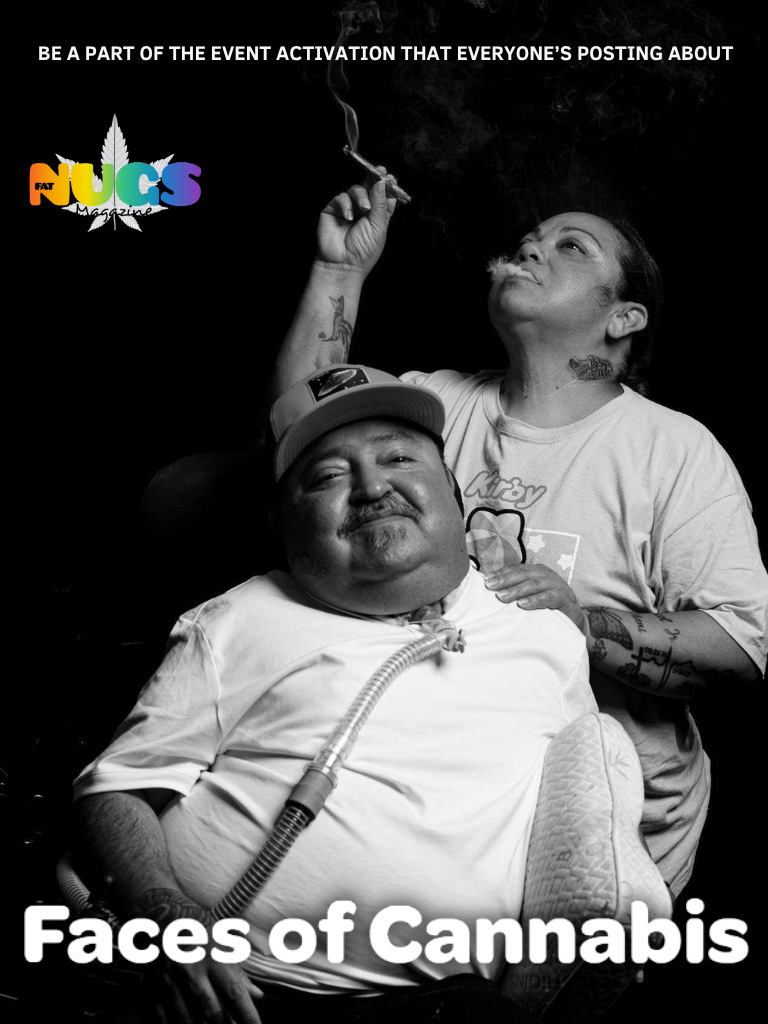
I had an agenda when I first conceived of this article. It was going to be a “hit piece.” I was going to grouse about everything I would have done differently, using the advantages afforded to an armchair quarterback. But that all changed.
Please understand, I hate writing in first person. Formal essays should be written in the third person, objective perspective. More importantly, first-person writing feels so much more emotionally vulnerable, already a character trait, but not one I like to extend to my writing.
This essay is different. It is personal, and I feel extremely vulnerable.
The Executive Order That Changed Everything
In November 2022, Kentucky Governor Andy Beshear signed
Executive Order 2022-798, which granted a sweeping pardon, effective January 1, 2023, for anyone arrested or convicted for possession of marijuana if the accused was diagnosed with one of several qualifying conditions.
The executive order incensed the Republican controlled legislature, which had repeatedly killed any previous medical marijuana bill in legislative committee. Senate President Robert Stivers stamped his feet and screamed about executive overreach, before realizing just how incredibly well the EO was greeted by Kentuckians across the political spectrum.
Finally, in March 2023, the light of self-preservation popped on, and the legislature did the right thing, passing
Senate Bill 47. This legislation created the legal framework for the state’s medical marijuana program. The governor signed it into law the day it hit his desk.
Before my diagnosis, when the executive order was first issued, I discussed it with my doctor. He knew my medical history. More importantly, he knew I smoked cannabis. He told me to bring in a copy of the Executive Order; he would circle the qualifying condition that applied to me and sign his name beside it.
At the time, I did not follow through, electing to remain outside the law.
Encountering A Hitch In My Giddy-Yup
Several years ago, people in my life started telling me I had a hitch in my giddy-yup. I was dragging my left leg, and it was getting worse. I had noticed it previously and tried to ignore it, but the voices of my friends got louder. I finally listened, and in the summer of 2024 started asking my doctor, “WTF?”
After tests and more tests to confirm the first tests, I learned I had Multiple Sclerosis. It is “a chronic autoimmune disease of the central nervous system where the immune system attacks the protective myelin sheath covering nerve fibers in the brain and spinal cord.”
This “attack” comes in the form of lesions, which interrupt the electrical signal from your brain to your body, in my case predominantly my left leg.
I remain devastated by the diagnosis and am still processing it emotionally, physically, and strategically. Until this article, I had kept my diagnosis closely held, telling only a few close friends, family, and need-to-know co-workers. However, it has altered my perspective on the medical marijuana program in the Commonwealth of Kentucky.
My qualifying condition is clear. There is no grey area.
What I am left with on the medical front are questions. Did my decades-long dance with cannabis help keep the disease on the down low? With regard to MS, how exactly does cannabis help? What is muscle spasticity? Are there specific cannabinoids that help this condition, certain symptoms more than others? Anyone with a strain recommendation?
The Medical Marijuana Program in Kentucky
From an advocacy perspective, I have a major bone to pick with the design and administration of the program. The state legislature in the Commonwealth of Kentucky is very conservative and pro-business.
The program breaks the state into 11 regions, with each region allotted four dispensary licenses. The two major population centers, Louisville and Lexington, get additional licenses for a total of 48 dispensaries. There is no provision for home grows.