
Sasha Shulgin, often referred to as the “Godfather of Psychedelics,” was a cultural legend and chemist known for synthesizing and documenting hundreds of psychoactive compounds. Alongside him, Ann Shulgin, a respected author and psychotherapist, helped explore and articulate the emotional, therapeutic, and human side of these experiences. Together, their work bridged science and spirituality, opening the door for deeper conversations around consciousness, healing, and the responsible use of psychedelics.
In this interview, we reflect on their impact, their philosophy, and the lasting influence they’ve had on culture, research, and personal transformation in conversation with Megan Bowers, Executive Director of The Shulgin Foundation.
An Interview with Megan Bowers of the Shulgin Foundation
Ann and Sasha Shulgin left an indelible mark on psychedelic science and culture. How would you describe their legacy today, both within the scientific community and the broader cultural movement surrounding psychedelics?
Ann and Sasha’s legacy is both deeply personal and incredibly far-reaching. Within the scientific community, Sasha set the gold standard for describing subjective effects alongside molecular structures, an approach that still shapes how researchers study psychoactive compounds today.
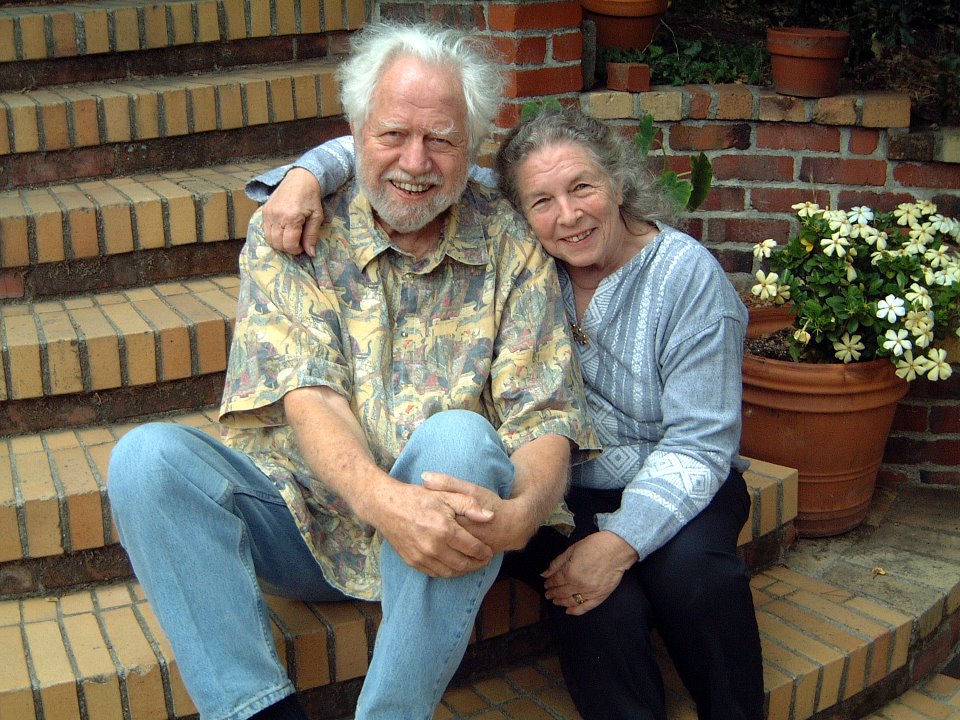
His re-synthesis of MDMA in 1965 and later recognition of its therapeutic potential opened doors that are still opening. But their work was never just about molecules. Ann brought an educated heart, clarity, and emotional intelligence to the process, reminding us that psychedelic exploration requires intention, integration, and deep respect for the human experience. Together, they modeled something rare: a balance between scientific rigor and genuine compassion.
Culturally, their greatest gift may have been accessibility. PIHKAL and TIHKAL feel like love letters disguised as chemistry books—inviting the reader into the process, including the doubts, the failures, and the humanity behind the work. That spirit of openness and generosity continues to shape how the psychedelic community shares knowledge today, and it is a part of what we hold dear about the Shulgin Legacy
What moves me most is how alive their legacy still is. At Sasha’s 100th birthday celebration in 2025, we had 500+ people gathered in Denver to hear world-famous leaders speak about their personal experiences with Sasha and Ann, inspiring an entirely new generation of curiosity about who these humans were and the meaning of their work. At the same time, 60 young chemists from 11 countries convened at the Shulgin Farm for the “Sashacentennial.” In both cases, the way these folks collaborated, experimented, and imagined the future together made it clear that this is a living lineage. And that, to me, is the true legacy of Ann and Sasha.
The Shulgin Foundation plays a critical role in preserving their work. Why is it important to protect and contextualize Sasha and Ann’s research now, especially as psychedelics re-enter mainstream medical, academic, and public conversations?
At this moment (early 2026), we’re at an exciting inflection point as a field of science and seekers. Psychedelics are moving out of the margins and into mainstream medicine, academia, and public conversation, and this is also affirmed by the ongoing signals from the FDA. Analysts and regulators alike agree that both psilocybin and MDMA are on a path for approval, and soon. That’s exciting, but it also comes with real risks. When growth happens this quickly, it’s easy to lose nuance, oversimplify complex work, or forget the ethical frameworks that made this field possible in the first place.
This is where Ann and Sasha’s legacy feels especially vital. Their work offers a model we still need: one that balances scientific rigor with deep human sensitivity. They never separated the molecule from the person. Dosage, intention, environment, and integration weren’t separate but a symphony that was central to the work itself. As psychedelic medicine scales, those insights become more important, not less.
There’s also a real historical responsibility here. The Shulgins (and their peers, compatriots, and thought partners, now lovingly referred to as “the psychedelic elders” of Western psychedelic practice) worked at a time when even discussing this research carried legal and personal risk. Ann and Sasha were a pair of mavericks, and they chose transparency anyway, publishing their findings so the knowledge wouldn’t disappear. The Shulgin Foundation exists to honor that choice by preserving their archives, methods, and ethical approach—and by keeping them accessible to researchers, clinicians, policymakers, and anyone seeking to engage this work thoughtfully. (And I have to tip my hat to our friends at Erowid, whose dedication to documenting and publishing the Shulgin archives to the public has been nothing short of extraordinary.)
We saw the importance of this firsthand last year, when the DEA attempted to schedule DOI and DOC—compounds still valuable for research. The Foundation helped organize advocacy alongside Students for Sensible Drug Policy, Hamilton Morris, attorney Robert Rush, and neuroscientist Dr. Alaina Jaster. We called it “You’ve Gotta Fight for Your Right to Research (Chemicals),” and it worked because people understood what was truly at stake.
At the end of the day, our work can’t just be about preserving history. It has to be about protecting the conditions that allow thoughtful, ethical discovery to continue.
Psychedelic culture today extends far beyond chemistry and pharmacology. How do you see education, art, and storytelling intersecting with psychedelic science in shaping public understanding and reducing stigma?
I love this question, because it gets at something Ann and Sasha really understood: science alone doesn’t change hearts and minds. Stories do. Art does. Shared human experience does.
We see that intersection come alive all the time at the Foundation. At Psychedelic Science 2025, our panel drew a full room. But what stayed with me most was what happened afterward. People lingered for hours, talking across disciplines: chemists in conversation with therapists, artists exchanging ideas with researchers. Someone described it as feeling like “the Friday night dinners at the Farm,” where knowledge moved freely and curiosity led the way.
We’re intentional about creating spaces that honor multiple ways of knowing. In 2025, that meant everything from technical workshops on alkaloid extraction and tryptamine chemistry to intimate salons like The Chemistry of Joy with Stephanie Karzon Abrams and Jane Garnett, weaving neuroscience, emotion, and lived experience together. We screened Better Living Through Chemistry, hosted oral histories with Dr. Mariavittoria Mangini, and created opportunities for people to engage the psychedelic story from many entry points.
Art and storytelling allow for nuance in a way data alone can’t. They make room for complexity, uncertainty, and meaning. When we share stories from the Farm (who gathered there, what questions were asked, what laughter and curiosity filled the room), we’re offering more than information. We’re offering an invitation into community.
Reducing stigma isn’t about convincing everyone psychedelics are a cure-all. It’s about creating enough understanding to have honest conversations about risks, benefits, and responsible use. One of the most powerful examples of this was the graphic story We Will Call It Pala by David Alder and Kat Conour, which captured both the promise and the pitfalls of the movement with remarkable clarity. It reminded many of us to stay grounded, to center people over profit.
That’s ultimately what we aim to do at the Foundation: bring people together, hold complexity with care, and support education that’s rooted in science, enriched by story, and guided by wisdom.
“The Farm” has become almost mythical within psychedelic history. Can you share its original purpose, what made it such a unique research and community space, and a few particularly memorable discoveries or moments that occurred there?
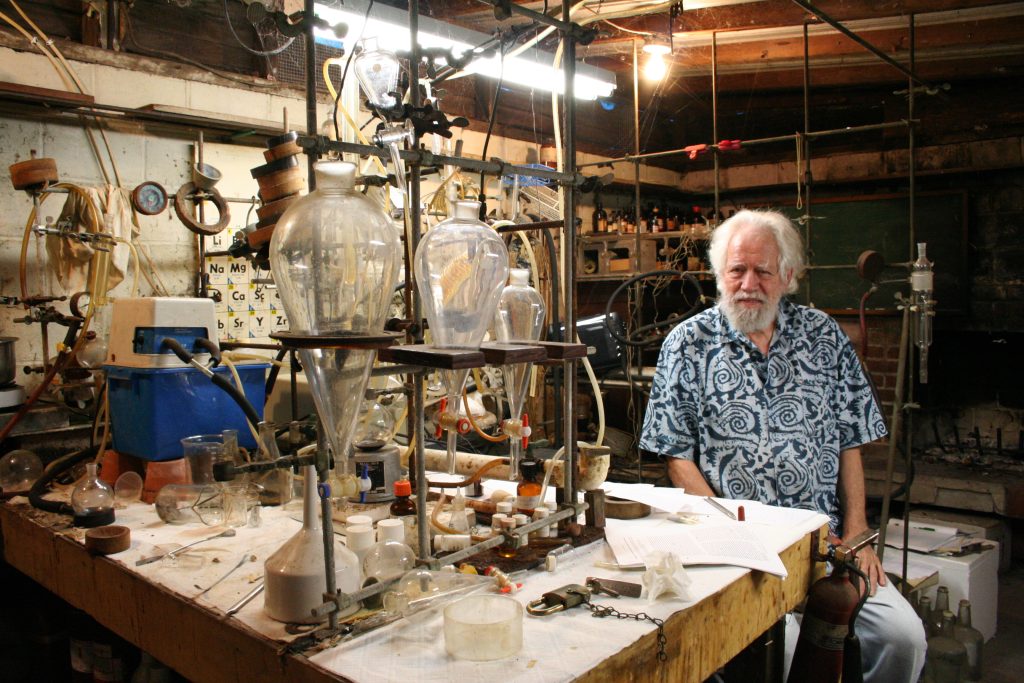
Shulgin Farm was never meant to be mythical. For Ann and Sasha and many others, it was simply their home. In the 1960s, Sasha built his 200-square-foot laboratory there, and over time, it became a place where rigorous chemistry met deep hospitality. Ann and Sasha welcomed an international circle of researchers, therapists, artists, and friends for what became legendary Friday night dinners. Around that table, chemists learned from therapists, and artists offered insights scientists hadn’t considered. It became a home for those whose own family systems were not a safe place to discuss the nuances of psychedelic experience and the practices being developed around those experiences.
Psychiatrist Gary Bravo once said, “That was a magical place. There is nothing comparable to it in the world that I’m aware of.” The magic came from the integration of serious scientific inquiry with genuine human connection. The lab was steps away from the kitchen table.
Discovery unfolded alongside conversation, laughter, and love. MDMA is the most well-known example. Sasha resynthesized it in 1965 (it had been patented by Merck in 1912 but never explored in humans), and through careful bioassaying with Ann and their trusted circle, they recognized its capacity to foster empathy and emotional openness. That understanding emerged not only from chemistry, but from witnessing its effects within relationships and therapeutic dialogue. Ann’s insight into how to work with the compound was as vital as Sasha’s synthesis.
What made the Farm unique was its refusal to separate the scientific from the communal. Precision and compassion lived side by side. Sasha would spend hours in the lab carefully titrating doses, documenting effects with precision. Then he’d walk down the garden path and share findings with people gathered around the kitchen table, inviting questions, welcoming different perspectives, and staying curious about what he didn’t yet understand
In 2025, we continued restoring the Farm while preserving its character, maintaining original details, developing an ethnobotanical garden, and offering guided tours. Through workshops and gatherings, we are carrying forward its core tradition: diverse minds coming together in service of understanding.
Ann Shulgin’s contributions were deeply rooted in integration, ethics, and human experience. How does the Foundation ensure her voice and perspective remain central to the narrative alongside Sasha’s scientific achievements?
This is something we think about constantly and hold as a core responsibility. Ann’s contributions are foundational, not supplementary, and we are intentional about making that clear in everything we do.
Ann brought therapeutic wisdom, emotional intelligence, and deep honesty to the work. She documented subjective experience with poetic precision: not just what substances did, but what they revealed about consciousness, relationships, and healing. Her sections in PIHKAL and TIHKAL are essential maps of inner terrain that shaped how these compounds are understood and worked with therapeutically.
We keep Ann’s voice central in several ways. In our public storytelling and programming, we emphasize partnership. This is not “Sasha Shulgin’s work,” but Ann and Sasha’s shared vision. The Farm itself was a collaboration between science and therapy, rigor and relational care.
We are also preserving and sharing Ann’s writings, correspondence, and therapeutic frameworks. Her insights on set and setting, integration, ethics, and emotional safety feel especially relevant as psychedelic therapies scale into broader systems.
Most importantly, our programming reflects her values: care for the whole person, strong ethical boundaries, and an understanding that healing is about deepening relationships with self, with others, and with community. The Foundation exists to carry forward the spirit that made their work so meaningful.
As interest in psychedelics accelerates globally, what responsibilities do organizations like the Shulgin Foundation have in balancing openness, safety, historical accuracy, and ethical stewardship?
We hold this question at the center of our work. The psychedelic renaissance brings tremendous opportunity, but rapid growth also carries risk, like oversimplification, profit over ethics, or drifting from the careful, humble approach that shaped the field’s foundations.
Our first responsibility is historical accuracy made relevant. The Shulgins weren’t reckless; they were methodical. They documented meticulously, worked with graduated doses, honored set and setting, and shared findings transparently—even at personal risk. That legacy offers guidance today, but only if we present it honestly, including the uncertainties and challenges they faced.
Safety is also non-negotiable. We can speak to transformative potential while also being clear about risks, contraindications, and the importance of support. Ann and Sasha approached this work with deep respect for the compounds and for human vulnerability. We want to do the same.
Ethical stewardship also requires strong governance and accountability. In 2025, we adopted a formal Conflict of Interest Policy and are introducing a comprehensive Code of Conduct in 2026. These structures ensure we act in alignment with the values we represent.
Just as important, we create space for complex conversations. The field holds diverse perspectives around access, equity, medicalization, and cultural responsibility. In 2026, we’ll expand the Farm’s role as a gathering place by hosting change labs and dialogue designed to hold these tensions with care.
Finally, we embrace intellectual humility. The Shulgins shared their findings without claiming certainty. We try to model that same openness, preserving the past while stewarding it responsibly for future generations.
Looking ahead, what are the Foundation’s future goals and mission, and how can the next generation of researchers, artists, educators, and advocates engage with and help carry forward the Shulgins’ work?
2026 will be a pivotal year for us. We are formally assuming full stewardship of the historic Shulgin Farm—both an immense responsibility and a profound opportunity. Our vision is to establish the Farm as a permanent, living nexus for the psychedelic movement.
Programmatically, we’re expanding in several directions. We’re developing robust educational offerings at the Farm and online, making Ann and Sasha’s methodologies and archives accessible to global audiences. We’re launching “change labs” and facilitated dialogues to hold the complex conversations the field must navigate. And we’re building partnerships with academic and research institutions so the Shulgins’ contributions continue to inform contemporary work.
We’re also preserving the full scope of their legacy—not just the well-known compounds, but the correspondence, lesser-known research, Ann’s therapeutic frameworks, and the community practices that made the Farm unique. This includes expanding archive access, developing an ethnobotanical garden, and creating educational resources for chemists, therapists, artists, and curious learners alike.
For the next generation, engagement begins with participation. Come to the Farm. Join a workshop. Experience the space where this history unfolded and learn in community. Researchers and educators can collaborate through archive access and program partnerships. Artists and storytellers can help make this history vivid and accessible. Advocates and policymakers can engage with the ethical balance of rigor, harm reduction, and respect for consciousness that the Shulgins modeled.
Financial support also plays a vital role. As a young nonprofit stewarding a historic property and expanding global programming, community investment directly sustains this work. Most importantly, carry forward their spirit: stay curious, stay humble, document carefully, share openly, and hold both rigor and compassion at once.