
Before we begin, I strongly suggest any consumer have a weed journal to jot down how you liked certain strains and how much works best for you. Now onto the article!
The Science of Cannabis Tolerance and How it Can be Adjusted
I wasn’t trying to quit cannabis.
I wasn’t trying to detox.
I was on Entheacare’s site because they were talking about NAC (N-acetylcysteine) and THC tolerance. Tolerance has always mattered to me for a very simple reason: weed is expensive. And it’s getting stronger every year. Stronger = more expensive because companies can justify the price increase.
If THC tolerance is your brain adapting to repeated CB1 stimulation, then using more than you need doesn’t just affect receptors and makes your tolerance stronger (D’Souza et al., 2016). It affects your budget. I was looking for a way to use less without losing the quality of the high.
Which meant I had to stop thinking in terms of strain names and start thinking in terms of terpenes, curves, and how THC actually moves through the body.
THC Tolerance Science: Terpenes, Neurotransmission, and Excitatory Tone
At typical inhaled concentrations, most cannabis terpenes do not meaningfully activate CB1 receptors directly (Finlay et al., 2020). And because terpenes do not meaningfully activate CB1 receptors at typical inhaled concentrations, changing strains or terpene profiles does not directly reset or lower CB1 tolerance or confuse the system. Switching strains may change how a high feels. It does not, by itself, reverse receptor adaptation.
Instead, preclinical research suggests they may influence neurotransmitter systems that operate alongside the endocannabinoid system (Russo, 2011). Meaning that the strain type doesn’t magically defy your tolerance because you haven’t had it in a while.
Instead, it may suggest that the secondary systems that process the terpenes can change how a high feels without changing the underlying CB1 tolerance driving it. CB1 tolerance appears to track cumulative THC exposure—dose, frequency, and peak stimulation (Colizzi & Bhattacharyya, 2018)—rather than terpene novelty.
How Terpenes Interact
- Limonene has been shown in animal models to influence serotonergic and dopaminergic signaling (Yun, 2014), systems that interact with reward circuitry.
- Linalool has demonstrated anxiolytic-like effects in preclinical studies, potentially mediated through modulation of GABAergic transmission and reductions in excitatory signaling (Harada et al., 2018). Additionally, individuals with lavender allergies are more likely to experience unwanted effects (migraines) with this terpene.
- Myrcene has been associated with sedative-like properties in some animal models, though the evidence is stronger for its analgesic effects, and the doses used in studies exceed what’s typically encountered in cannabis (do Vale et al., 2002). The most-cited original myrcene study actually demonstrates peripheral pain relief rather than CNS sedation.
- Alpha-pinene has been studied for potential interactions with cholinergic signaling and alertness-related pathways. In vitro studies show it has acetylcholinesterase inhibitory activity, though at concentrations well above what’s typically achieved through cannabis inhalation (Miyazawa & Yamafuji, 2005; Perry et al., 2000).
Where Neurotransmitter Systems Fit In
These neurotransmitter systems—dopamine, serotonin, GABA, acetylcholine—are functionally interconnected with glutamatergic circuits in regions such as the nucleus accumbens and prefrontal cortex.
Glutamate is the brain’s primary excitatory neurotransmitter (Meldrum, 2000) and is deeply involved in cue-reactivity and motivational drive. Evidence suggests heavy or chronic cannabis exposure is associated with changes in glutamatergic biology (Mason et al., 2021), and glutamate dysregulation is widely implicated in escalation processes across addiction models (Kalivas, 2009).
Terpenes are not glutamate antagonists in a pharmacological sense. However, if a terpene shifts inhibitory/excitatory balance indirectly—for example, by enhancing GABAergic tone or modulating monoaminergic pathways that feed into glutamatergic networks—the overall excitatory context in which THC is experienced may change.
What terpenes can do (based largely on preclinical research) is influence neurotransmitter systems that run alongside the endocannabinoid system (Ferber et al., 2020). That means they may change the character of a high without changing the underlying CB1 adaptation driving THC tolerance.
Disclaimer: As of the writing of this article, this detail is preclinical. It’s fair to say terpenes are studied for CNS-relevant effects and may interact with non-cannabinoid targets, but human evidence at inhaled cannabis concentrations is limited. The claim that terpenes reliably “modulate dopamine/serotonin/GABA” is mostly preclinical and indirect.
How Terpene Response Influences Strain Effects
Terpene response is highly context-dependent. The same terpene concentration can feel balanced in one nervous system and overstimulating in another. In some cases, adjusting terpene percentage—rather than avoiding the terpene entirely—may be sufficient to produce a more tolerable and satisfying effect.
So if someone’s inhibitory system is hypoactive (lower GABA tone), a terpene that enhances inhibition may feel dramatically noticeable—not because THC changed, but because the excitatory–inhibitory balance shifted.
And if someone’s system is already well-regulated, that same terpene may feel subtle or overwhelming depending on dosage.
If someone’s excitatory tone is already high—meaning their glutamatergic signaling runs “hot”—a limonene-heavy strain may feel overstimulating rather than uplifting. If inhibitory tone is lower than average, anything that increases stimulation may feel amplified.
On the other hand, if someone’s system runs lower in baseline arousal, linalool may feel distinctly calming—or it may feel overly sedating depending on where that person’s inhibitory balance already sits.
Beta-caryophyllene is a standout because it acts as a selective CB2 agonist in preclinical work (Gertsch et al., 2008), a pathway more linked to immune/inflammatory modulation than CB1 psychoactivity, which may help explain why some people associate it with “body relief.”
NAC and Glutamate Signaling
N-acetylcysteine (NAC) is a modified form of the amino acid cysteine, available over-the-counter as a supplement. Clinically, it’s used as a mucolytic and as an antidote for acetaminophen overdose. In the brain, NAC serves as a precursor to glutathione (the body’s primary antioxidant) and modulates glutamate signaling through the cystine–glutamate antiporter, known as system xc⁻ (Deepmala et al., 2015; Dean et al., 2011).
NAC has been studied in addiction models for restoring aspects of glutamate homeostasis via cystine–glutamate exchange/xCT, with evidence for reducing drug-seeking behavior in several models (McClure et al., 2014). Clinical results are mixed and not fully established. It does not act on CB1 receptors nor regenerate receptors.
Put together: if glutamate stabilization reduces redosing pressure, and clearer “signal” from terpene-driven effects reduces stacking, then total THC exposure can drop—which is one practical way to slow CB1 tolerance progression. Not because receptors were “reset,” but because cumulative activation decreased.
NAC doesn’t make terpenes stronger, nor does it lower your tolerance.
NAC stabilizes glutamate tone—it may make the system less noisy. And when the system is less noisy, effects may feel more defined. Terpenes may influence parallel neurotransmitter systems. Those systems interact with glutamate. Glutamate tone influences escalation and cue-reactivity.
What it appears to do in certain contexts is stabilize glutamatergic tone in reward circuitry.
By stabilizing glutamate signaling, NAC may reduce the internal pressure to keep taking more. Meaning you may feel less internal pressure to consume more and more satisfaction with what you’ve already taken.
When that excitatory system settles, terpene-driven effects can become easier to notice. If the quality of the high feels clearer, lower THC doses may feel sufficient—reducing the need to redose. Resulting in less consumption, meaning that we aren’t stimulating our CB1 system like we would previously, which would normally build tolerance faster.
It just changes the behavioral patterns with consumption. Behaviors that can be influenced by terpenes and feeling satisfied with those said terpene effects.
But by helping regulate glutamatergic tone, it may reduce the behavioral escalation that accelerates THC tolerance. Making you feel more satisfied with the quality and quantity of your high without chasing it to maintain it.
Glutamate and GABA operate in constant balance. Glutamate drives excitation; GABA provides inhibition. Dopamine and serotonin modulate these circuits and are modulated by them in return. If someone has relatively low inhibitory tone—meaning GABAergic signaling is weaker compared to excitatory input—their system may run more reactively. In that context, a terpene that enhances inhibitory signaling or modulates monoaminergic pathways may shift the excitatory–inhibitory balance enough to noticeably change how THC is experienced. The THC dose has not changed. The circuit dynamics have.
NAC acts at a different layer, stabilizing extracellular glutamate tone. When excitatory signaling is more regulated, both escalation pressure and terpene perception may shift.
Disclaimer: Mechanistically plausible and supported in addiction literature (Kufahl et al., 2013, Brain Research Journal; McClure et al., 2014), but not cannabis-specific proof. The Kufahl study involved cocaine- and tobacco-seeking behaviors in animal models of drug addiction.
My Experience with NAC and THC Tolerance
When I began taking NAC daily, I didn’t notice a dramatic change in my high. What changed was the amount I felt compelled to consume. I found myself stopping sooner. Limonene-heavy strains felt just as activating as before, but I didn’t feel the need to stack doses to maintain that feeling. Over time, my overall intake dropped—and my tolerance seemed to stabilize at a lower level.
Stoner Friendly Version: When glutamate signaling is more stable, terpene effects may feel more defined and easier to recognize, which can come across as stronger—even though the THC amount hasn’t changed. When the high feels clearer, you’re less likely to stack doses trying to “find it” or “feel it.” That alone can reduce how much you consume.
I cannot claim that NAC makes terpenes stronger, but I can suggest that someone may experience benefits with it as I have. I was only able to make this connection with Entheacare’s NAC beta-testing tolerance protocol, which led me to research the connection of NAC and the endocannabinoid system (Lu & Mackie, 2016).
THC tolerance builds from repeated CB1 activation over time. If terpene clarity and glutamate stabilization may reduce how often and how heavily CB1 is stimulated (how much you’re smoking), then cumulative receptor activation decreases. And cumulative receptor activation is what drives tolerance progression.
Lower escalation means lower cumulative THC exposure. Lower cumulative THC exposure slows tolerance progression. Suggesting that it may allow you to have a lower tolerance and feel satisfied with lower doses.
Disclaimer: This is based on my interpretation of NAC research including Kufahl, P. R., Moore, E., Barabas, P., Halstengard, C., & Olive, M. (2013). N-acetylcysteine and its use in the treatment of addictive disorders. Brain Research Journal, 6(3), 275-307 (not PubMed-indexed; confirmed via ASU institutional repository). For a PubMed-indexed review of NAC in addiction, see McClure et al., 2014.
Altering THC Tolerance: My NAC Protocol Experience
I resumed cannabis use using the same general framework Entheacare outlines in their beta protocol:
- NAC daily
- Lower dosing
- Slower pacing
- Taking 3 days off cannabis products
To be clear: NAC is not resetting the endocannabinoid system. The three-day break is. PET imaging studies show CB1 receptors begin upregulating within 48 hours of abstinence (D’Souza et al., 2016) and return to normal density after approximately 4 weeks (Hirvonen et al., 2012).
What NAC and the supporting supplements appear to do is make those three days more tolerable—and what NAC may do beyond that is reduce the glutamatergic pressure to immediately escalate back to old consumption patterns when you reintroduce cannabis. The “reset” is the abstinence. The protocol is the scaffolding that helps you actually complete it.
The three-day break likely reduced acute receptor desensitization. NAC may have supported glutamate stabilization during reintroduction. The result wasn’t a dramatic spike in intensity:
- I went from roughly 5 grams of joint combustion per day to about 1 gram of dry herb vaporized across 12 hours.
- I began dosing with CBD to smooth the feeling, specifically CBD that had terpenes that matched my THC’s terpene profile.
- I went from cutting 10mg edibles into fourths and hoping the dose was even, to intentionally dosing at 2.5mg and finding that sufficient.
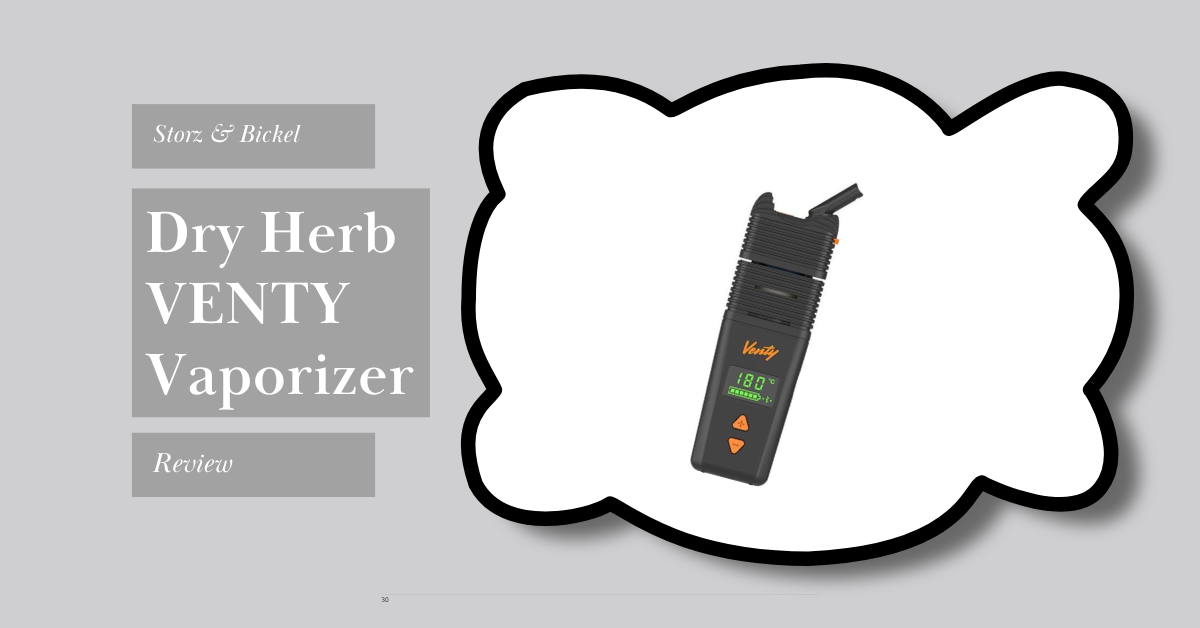
The dry herb vape allowed me to use less product, which helped my pocket. I feel like NAC allowed me to combat the “yeah, that edible wasn’t enough,” and instead of climbing back up in tolerance, my intake stayed low.
I also noticed that munchies were less intense and easier to ignore. I am curious if adding a smidge of a terpene-similar THCV in combination with my self-experiment here would make munchies pretty much eliminated, but CB1 receptors are also hunger signaling, so it’s never net zero, just what you can manage to ignore.
Not because my ECS was “reset” by NAC, but the compulsion was reduced, and smaller doses became just as fulfilling as larger doses. Because the reintroduction pattern changed after my tolerance break, using it in clear, small doses with effective compulsion control.
Supporting a Responsive Endocannabinoid System (Without Turning It Into Wellness Policing)
The most reliable way to restore CB1 receptor availability is still to reduce chronic stimulation and the intensity of that stimulation. That’s non-negotiable.
But outside of full abstinence, there are ways to support how your endocannabinoid system functions—not to “make you higher,” and not to magically lower tolerance, but to reduce baseline noise so lower doses and lower strain percentages may work effectively like they’re supposed to.
This isn’t about body size or some wellness fanfiction about how you should treat your body. It’s about system stability. A regulated and supported body responds more predictably to THC. That’s all.
Hydration
Being dehydrated doesn’t reduce CB1 receptor density—but it absolutely changes how you feel. Mild dehydration can increase fatigue, irritability, headaches, dry mouth discomfort, and perceived “drop-off” after a session. When your body feels off, it’s easy to interpret that as “the weed wore off” and redose. Staying hydrated keeps your baseline cleaner. Cleaner baseline = fewer false signals to escalate. It’s not about getting higher. It’s about not mistaking dehydration for tolerance.
Eat Edibles With Food (Especially Fats)
THC is lipophilic. When you take edibles on an empty stomach, absorption can be inconsistent and the onset unpredictable. That unpredictability is one of the biggest drivers of stacking.
Eating edibles with a meal—especially one that includes dietary fat—improves absorption consistency and reduces premature redosing. Predictability reduces escalation. This isn’t about eating less or more. It’s about timing and physiology.
Omega-3 Fatty Acids
Omega-3s support membrane health and overall ECS signaling integrity (Lafourcade et al., 2011). They’re not CB1 growth supplements, but they help maintain the environment receptors live in.
You don’t need to overhaul your life. Just make sure your diet includes sources of omega-3s that work for you. Support the system. Don’t obsess over it.
Aerobic Movement
Moderate aerobic exercise increases endogenous cannabinoid signaling like anandamide (Sparling et al., 2003), which supports mood regulation and stress reduction. It doesn’t “boost tolerance.” It helps stabilize your baseline reward tone.
Again—this isn’t about weight loss. It’s about nervous system regulation. A regulated nervous system doesn’t chase as aggressively.
Overall Self-Care
Sleep. Stress management. Hydration. Movement. Not because they make you high. Not because they magically reduce THC tolerance. But because when your body isn’t dysregulated, THC doesn’t have to fight through increased inflammation due to preventable effects. A healthy body, regardless of size, processes THC more predictably than a stressed, sleep-deprived, dehydrated one.